



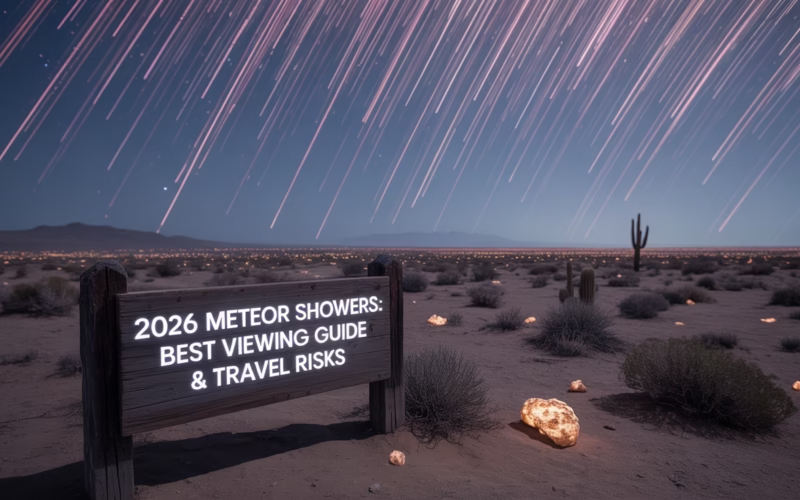
The 2026 meteor showers promise some of the year’s most stunning celestial displays, with the Perseids peaking at up to 150 meteors per hour under ideal dark skies. Travelers chasing these cosmic spectacles—from remote deserts to mountain peaks—face a hidden surprise: full moons often wash out fainter shooting stars, turning potential wonders into frustrating vigils.[1][2]
This guide maps the key events, optimal locations, and real-world planning tips to maximize your view. Whether you’re in the Northern or Southern Hemisphere, preparation unlocks nature’s fireworks display.


Top Meteor Showers to Chase in 2026
Each shower stems from comet debris burning up in Earth’s atmosphere, creating fiery streaks across the night sky. Here’s the lineup backed by astronomical data.
Quadrantids: January 3-4
This strong shower delivers up to 120 meteors per hour from extinct comet 2003 EH1, famous for bright fireballs. Peak hits early January 4, but a full moon hampers views—head to high northern latitudes like Canada for clearer shots.[1][2]
Perseids: August 12-13
One of the best, produced by comet Swift-Tuttle, with rates up to 150 per hour and frequent fireballs. Perfect new moon conditions in 2026 make it ideal; radiant in Perseus constellation.[1][2]
Other Highlights
- Lyrids (April 22-23): 20 meteors/hour from comet C/1861 G1 Thatcher, known for glowing trails.[1]
- Eta Aquarids (May 6-7): Up to 60/hour from Halley’s Comet, best in Southern Hemisphere.[1][3]
- Orionids (October 21-22): 20/hour from comet Halley, broad peak aids viewing.[1][2]
- Leonids (November 17-18): Fast 15/hour meteors, dark skies post-midnight.[3]
Prime Viewing Spots Worldwide
Dark-sky reserves amplify the show. In the US, Great Basin National Park in Nevada offers pristine views away from city lights. Europe’s Canary Islands provide reliable clear nights, while New Zealand suits Southern showers.[2]
For dark sky reserves in USA and Europe, prioritize sites certified by the International Dark-Sky Association.
Hidden Risks Most Travelers Don’t Expect
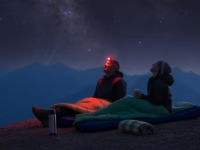
Remote stargazing sites mean cold nights, sudden weather shifts, and wildlife encounters—bears in US parks or scorpions in deserts. Hypothermia strikes fast above 5,000 feet; one group in the Rockies needed rescue after a Quadrantids trip turned frigid.[2]
Light pollution maps via apps like Dark Sky Finder are essential, but altitude sickness hits unprepared climbers chasing high-elevation radiants.
Mistakes Tourists Commonly Make
Many arrive without checking moon phases—full moons ruin 30% of peaks, like Quadrantids 2026. Others skip binoculars or wide-angle cameras, missing faint meteors and trails.[1][3]
Overpacking tents blocks sky views; opt for reclining chairs. Read our stargazing gear essentials for beginners to avoid these pitfalls. Grab durable options from our shop for reliable comfort.
Safety Factors and Costs to Consider
Travel to prime spots averages $500-1,500 per person, covering flights, park fees, and rentals. Insurance for weather cancellations is key—eclipses and showers draw crowds, spiking remote area evac costs.[5]
Pack layers for sub-zero temps, bug spray, and portable power banks. Locals warn of fire bans during dry summers, limiting campfires for warmth.
Explore solar eclipse 2026 travel risks pairing with Perseids for dual events.
Conclusion
2026’s meteor showers offer raw cosmic beauty for those who plan wisely. Check local forecasts, gear up, and step into the dark—your next shooting star awaits.