


The Amazon’s Hidden Lives: Ten Rare Creatures in the Rainforest’s Deepest Breath
Dawn does not arrive gently in the Amazon. It rises through mist, through the drumming of insects, through the smell of wet bark and river mud, as if the forest itself is breathing. Somewhere below the canopy, a jaguar steps over a fallen trunk. Somewhere above, a harpy eagle turns its head. Somewhere in the black water, a pink river dolphin surfaces like a rumor.
Act I: The Water That Watches
🎒 OneMinuteExplore Shop
Curated gear for the modern explorer. Support our field research.
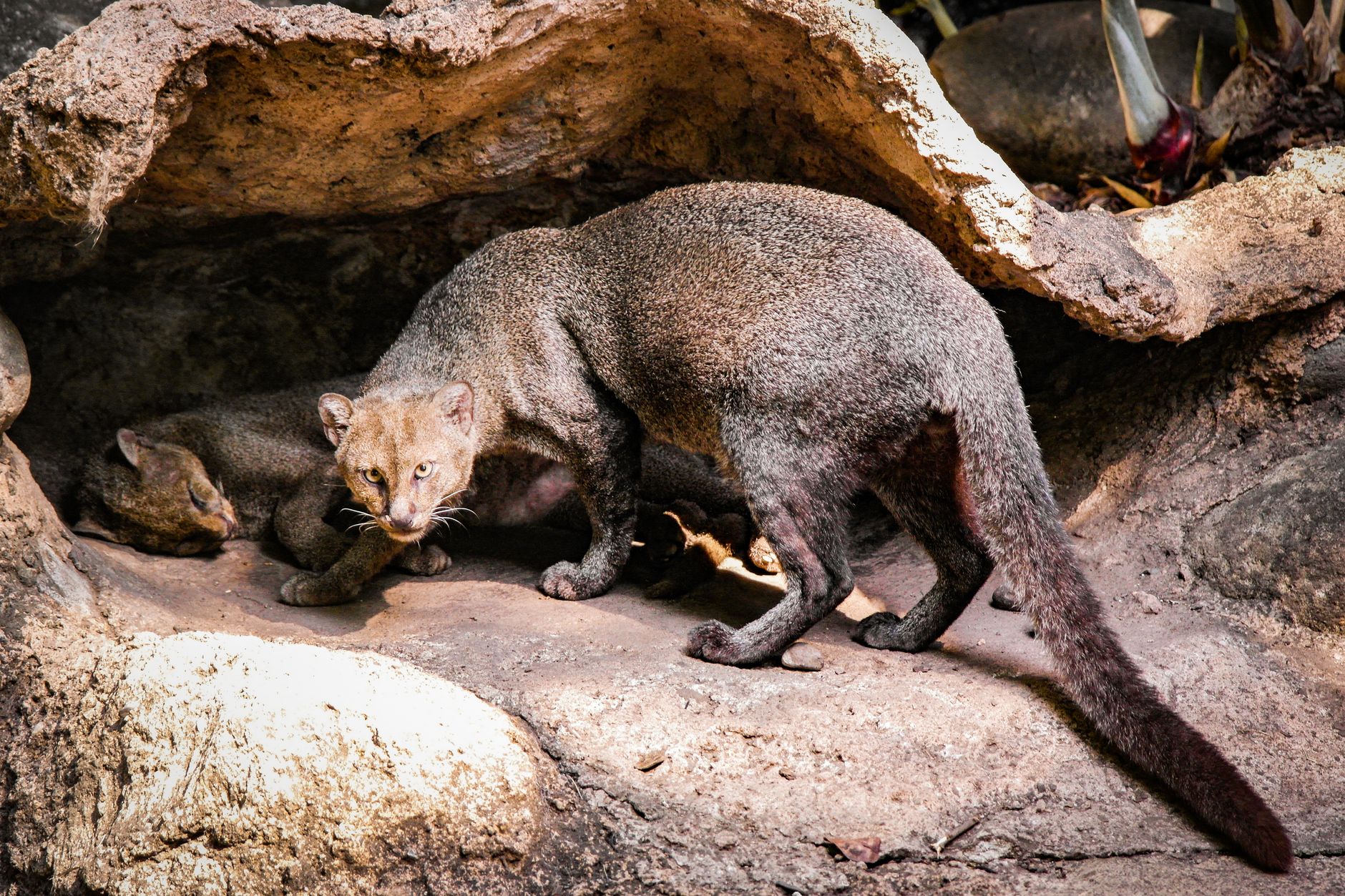
Pink River Dolphin
The Amazon river dolphin moves through flooded forests with an almost human curiosity. Its pale body catches the water, then disappears. Rare in many stretches, threatened by pollution, fishing gear, and shrinking habitat, it is one of the rainforest’s most haunting residents.
Giant Otter
A giant otter family patrols a river bend, heads low, tails cutting the surface. Their alarm calls echo across the water. Once hunted for fur, they remain vulnerable where rivers are dammed, poisoned, or overfished.
Black Caiman
At night, the black caiman becomes a pair of eyes in the dark. The largest predator of the Amazon waterways, it waits in flooded oxbow lakes, a living reminder that the rainforest is also a kingdom of silence and ambush.
Act II: The Canopy’s Forgotten Faces
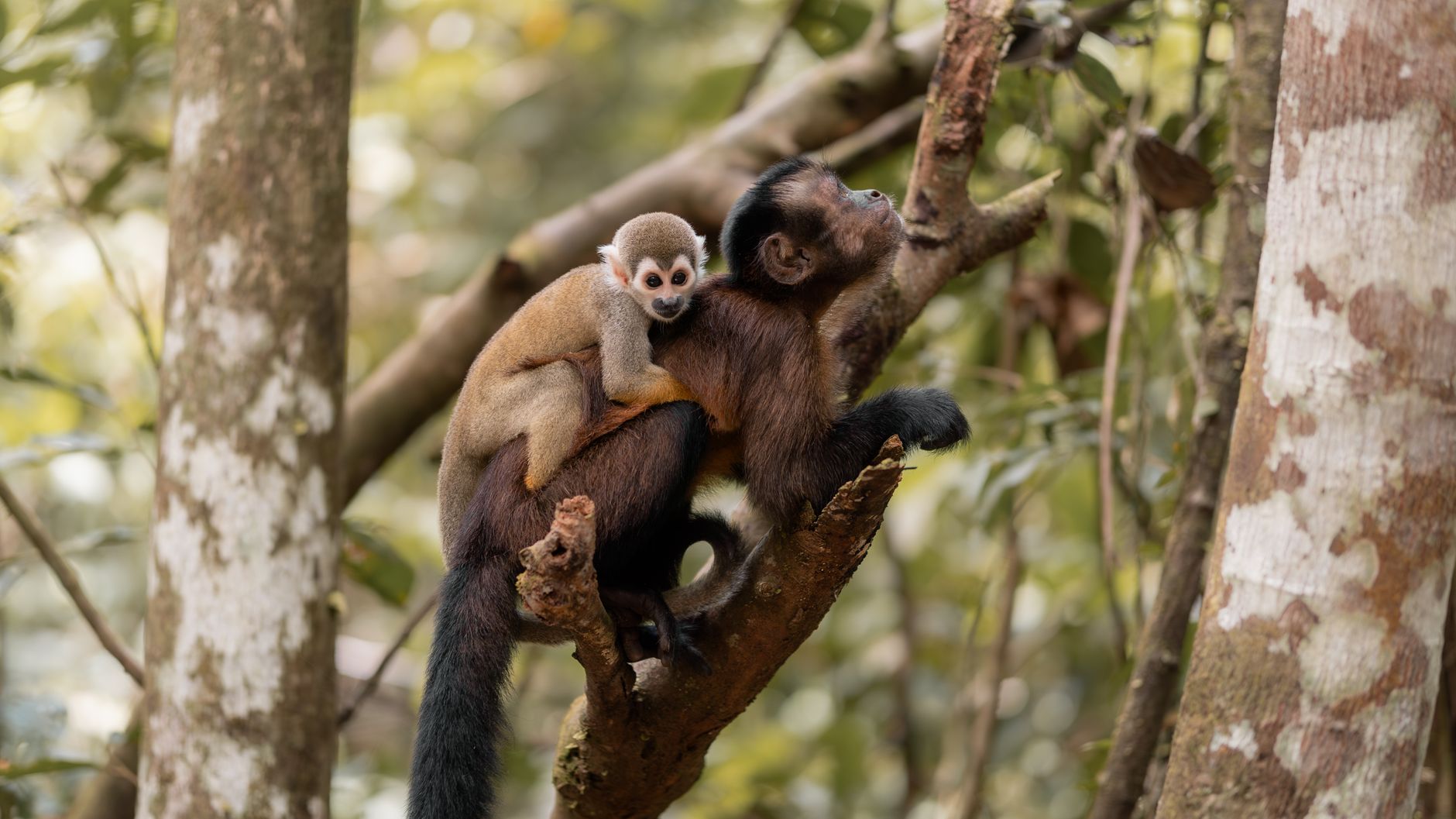
Harpy Eagle
High above, the harpy eagle scans the green sea. Its talons can seize a sloth or monkey from a branch. Deforestation removes the great trees it needs for nesting, making sightings rarer each year.
Red Uakari
In flooded forest, the red uakari moves through branches with a face like a warning sign. Its crimson skin is rare, fragile, and tied to habitats that few outsiders ever reach.
Spider Monkey
A spider monkey swings from vine to vine, a shadow stitched into the canopy. Though charismatic, it is threatened by hunting and fragmentation, especially where roads split the forest into islands.
Saddle-back Tamarin
A saddle-back tamarin moves through the mid-story with a black crest and a pale saddle, a small ghost of the Amazon canopy. Illegal trade and forest clearing make it rare where it once lived.
Act III: The Smallest Guardians
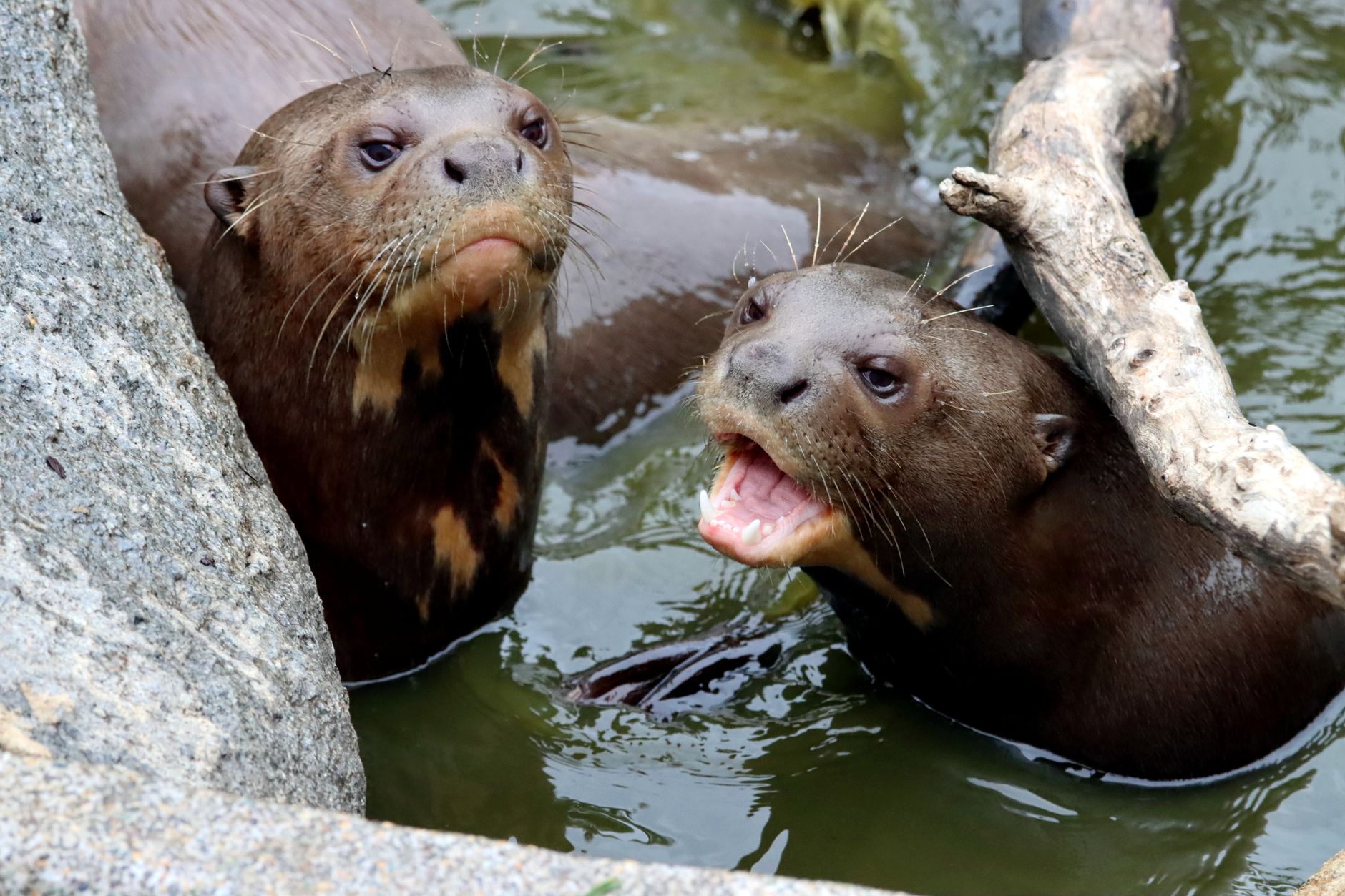
Amazonian Manatee
The Amazonian manatee drifts through slow water, calm as a stone. It is rare, shy, and easily harmed by boats, nets, and degraded rivers. To see one is to witness patience itself.
Poison Dart Frog
On a mossy leaf, a poison dart frog glows like a jewel. Its beauty is a defense, and its survival depends on clean streams, humid leaf litter, and forests that remain intact.
Jaguar
The jaguar is the final act. It does not pose. It moves through the undergrowth with the weight of the forest behind it. Rare, powerful, and increasingly squeezed by human expansion, the jaguar is the Amazon’s last great symbol of wilderness.
The Rainforest’s Breath
These animals are not exhibits. They are neighbors in a living system that stores carbon, feeds rivers, and shapes weather. Every rare face in the Amazon is a question asked of us: will we keep the forest whole, or watch it thin until the silence becomes permanent?
Did any of these facts surprise you? Drop a comment below! 💡
Did any of these facts surprise you? Drop a comment below! 💡
🔍 Common Inquiries
What are the rare animals found in the Amazon Rainforest?
Why are Amazon animals considered rare?
Is the jaguar rare in the Amazon?
What makes the pink river dolphin unique?
How does deforestation affect Amazon wildlife?
How can people help protect rare Amazon animals?
#AmazonRainforest #RareAnimals #WildlifeConservation #Jaguar #PinkRiverDolphin #HarpyEagle #GiantOtter #RainforestBiodiversity #ProtectTheAmazon #NatureDocumentary
Enjoyed this story? Join our community on YouTube.