




Ocean’s Silent Scars: The Epic Battle Against Marine Debris Giants
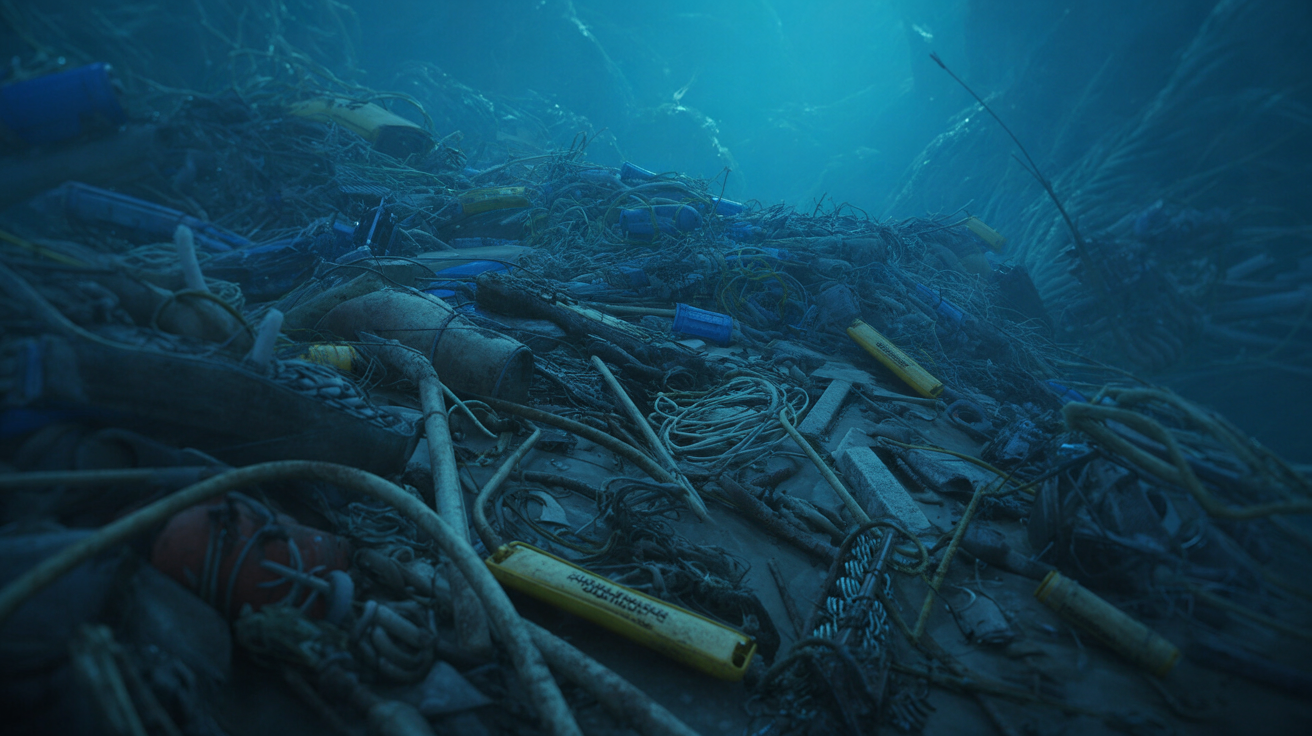
Imagine an underwater graveyard, where the forgotten remnants of human ambition — colossal ghost nets, sunken vessels, and derelict infrastructure — cast silent shadows. These aren’t just trash; they are leviathans of pollution, silently choking our marine ecosystems and imperiling navigation. But beneath the waves, an extraordinary battle is waged. Join us as we plunge into the heart of the ocean’s greatest cleanup, unveiling the high-stakes strategies deployed to reclaim our planet’s most vital resource.
The Unseen Threat: Confronting Ocean’s Gargantuan Ghosts
🎒 OneMinuteExplore Shop
Curated gear for the modern explorer. Support our field research.
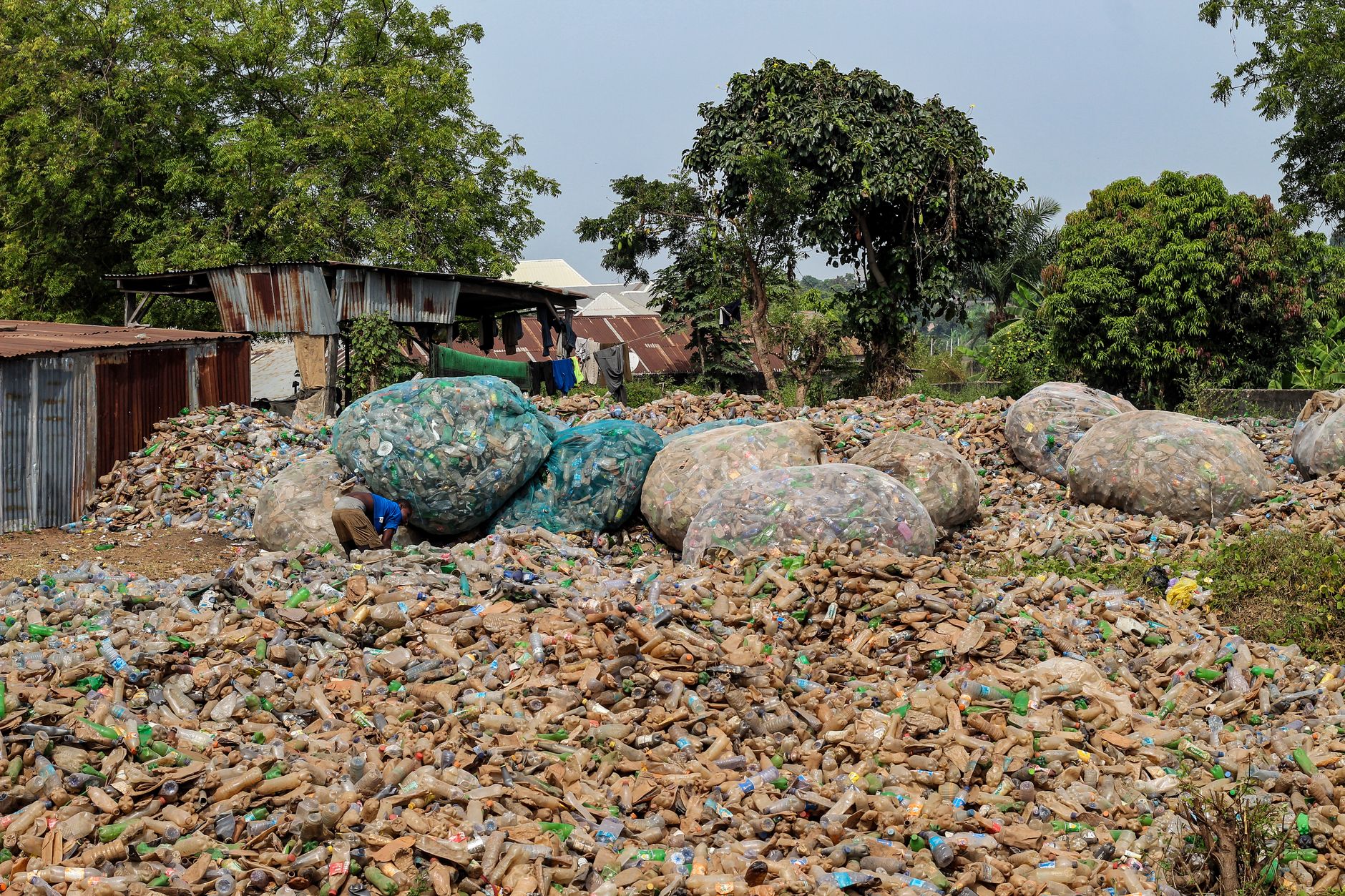
Since 2013, NOAA and its dedicated partners have spearheaded an unprecedented offensive against ‘large-scale marine debris’ – derelict vessels, abandoned barges, and crumbling piers. This isn’t merely tidying up; it’s a profound commitment to restoring vital waterways, fortifying fishing and tourism economies, and safeguarding countless marine species. To date, over 50 million pounds of this oversized pollution have been meticulously removed, transforming hazards into healthier habitats.
Precision & Power: Four Frontline Strategies
1. Echoes from the Deep: Gear Recovery
Lost fishing gear, dubbed ‘ghost gear,’ haunts the depths, endlessly ensnaring marine life. Tangled on reefs and kelp, these deadly traps are meticulously freed. For the unreachable abysses, remotely operated vehicles (ROVs) become our eyes, guiding crews to attach buoyant lift bags, coaxing these watery specters back to the surface, away from marine ecosystems.
2. Titans of the Tide: Heavy Machinery for Heavy Lifts
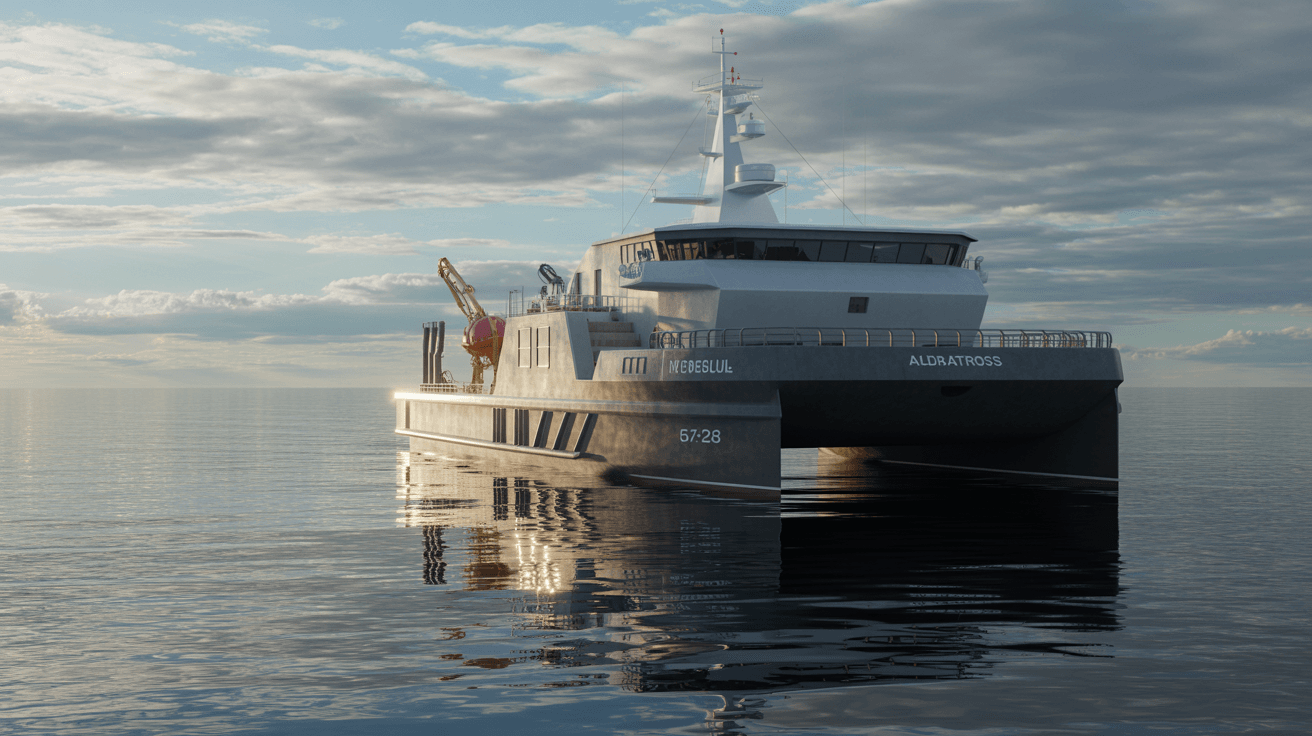
When a partially sunken bridge, a derelict pier, or a forgotten vessel—potentially laden with pollutants like fuel and heavy metals—threatens vital navigation, only immense power will suffice. Cranes, salvage vessels, and a cadre of expert engineers orchestrate months of intricate planning to meticulously extract these behemoths from the water, often weighing hundreds of tons.
3. The Human Touch: High-Impact Hand Removal
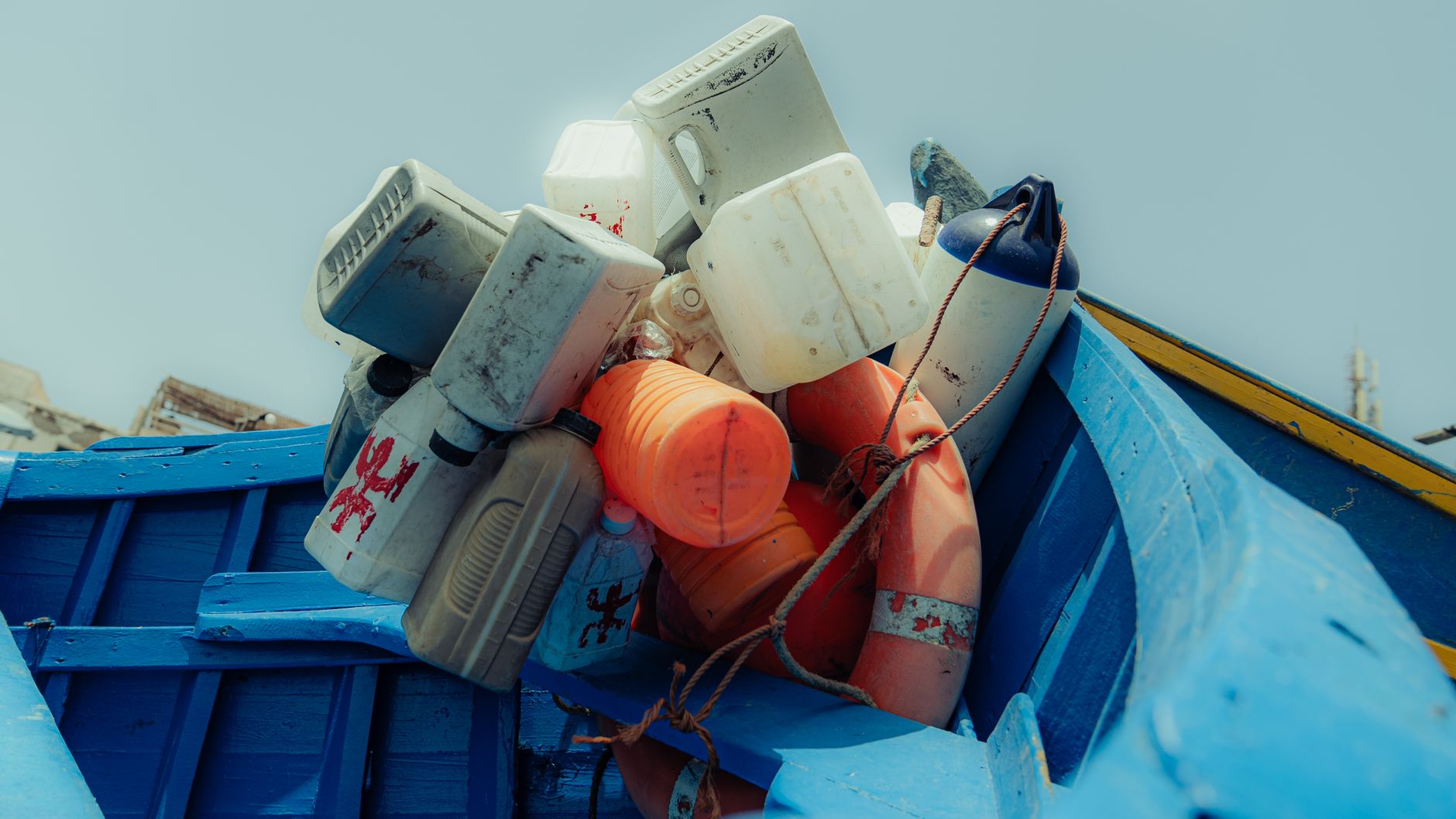
In sensitive, inaccessible havens where large vessels cannot tread, the human element becomes paramount. Freedivers, commercial fishers, and local heroes don wetsuits and take to the water. They painstakingly cut vast nets into manageable sections, rig pulley systems, or, in the case of lobster traps, even use surfboards to transport retrieved gear. A single 1,000-pound net mass can demand 90 minutes of intensive labor from four dedicated marine debris technicians.
4. Skyborne Saviors: Aircraft-Assisted Extraction
For the most remote and ecologically fragile coastal zones, where tides and terrain conspire against conventional methods, the sky offers a solution. Firefighting helicopters become unlikely saviors, airlifting entire derelict vessels from sensitive eelgrass and kelp beds. In pioneering operations like those in Alaska, cleanup crews meticulously bag debris into ‘super sacks,’ which are then whisked away by helicopter to offshore barges, bypassing treacherous waters and preserving pristine habitats.
Did any of these facts surprise you? Drop a comment below! 💡
Did any of these facts surprise you? Drop a comment below! 💡
🔍 Common Inquiries
What is large-scale marine debris?
Why is it important to remove large-scale marine debris?
How much large-scale marine debris has been removed to date?
What is ‘ghost gear’ and how is it removed?
What challenges are involved in removing heavy marine debris like sunken vessels?
How are remote areas cleaned of marine debris?
#OceanCleanup #MarineDebris #StopPlasticPollution #GhostGear #SaveOurOceans #NOAA #GreatLakes #UnderwaterWorld #Conservation #EcoWarriors
Enjoyed this story? Join our community on YouTube.