

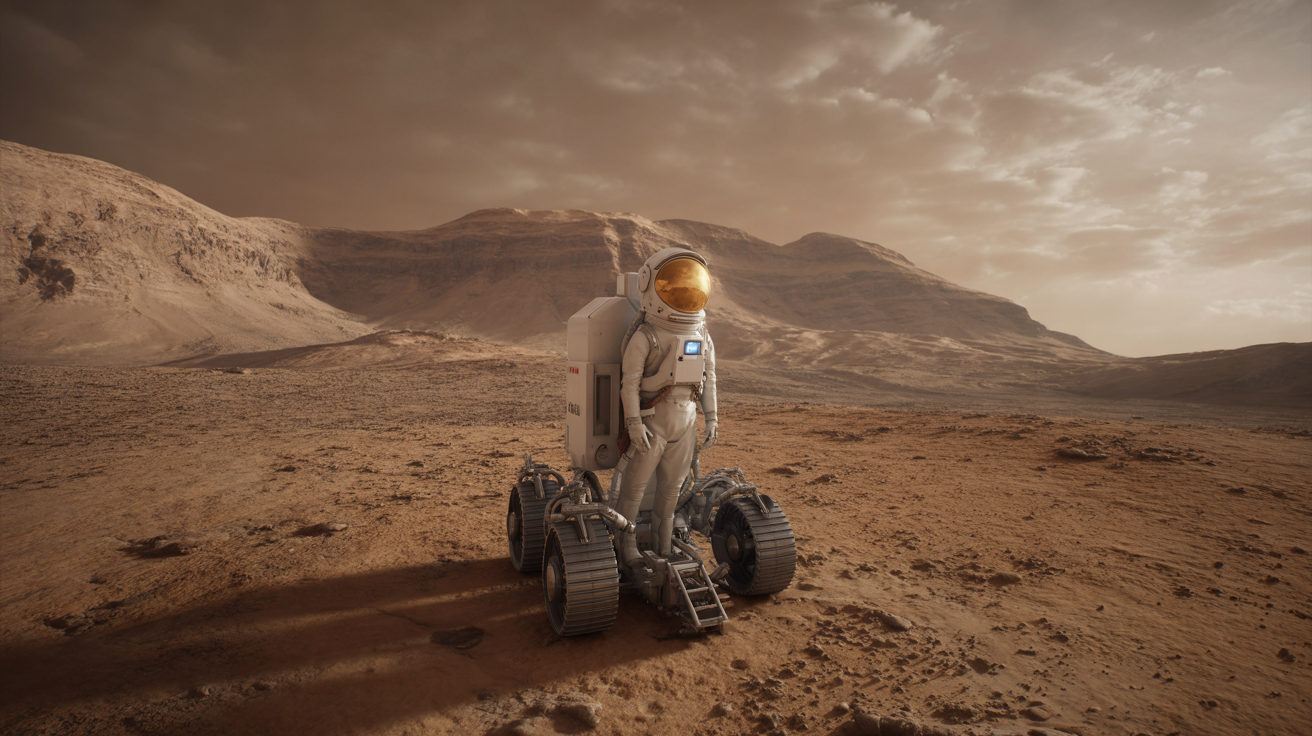

The Ten-Gram Moon: A Mission to Bring Mars Dust Home
The launch pad is still wrapped in darkness when the rocket begins to breathe. Not with fire alone, but with a low, patient vibration that travels through concrete, through bone, through the quiet hope of everyone watching. Above the clouds, a spacecraft unfolds its wings of solar light and turns its face toward a rust-red world. Its prize is not a city, not a flag, not a grand orbit. It is ten grams of dust from a moon of Mars: a handful of the universe, brought home.
Act I: The Dust That Could Rewrite a Planet
🎒 OneMinuteExplore Shop
Curated gear for the modern explorer. Support our field research.
Mars has long been the planet that haunts human imagination, but its moons are stranger still. They are small, dark, and pocked with craters, like stones that wandered too close and never left. Scientists believe they may be captured asteroids or fragments of an ancient collision. Either way, they are time capsules. A few grams of their surface could reveal how the early solar system assembled, how water moved, how worlds grew, and how life might one day find a foothold.
Why 10 grams matters
Ten grams sounds tiny. A paperclip weighs more. But in planetary science, tiny samples can become enormous stories. Each grain may carry isotopes, minerals, and microscopic clues that no telescope can read from Earth. When a spacecraft returns them, laboratories can slice, scan, and sequence their history. The mission is not about grabbing a rock. It is about listening to a whisper from the birth of Mars.

Act II: The Long Fall Toward a Moon
The journey is a slow choreography of gravity. The spacecraft coasts for months, adjusting its course by fractions of a degree. As Mars grows from a point of light into a world, the moon appears first as a dark smudge against the planet’s haze. Then it sharpens: a lumpy, cratered body spinning close to the red planet. The approach must be delicate. Too fast, and the mission becomes a flyby. Too slow, and the spacecraft risks being pulled into an uncertain path. The goal is to touch, collect, and survive.
The grab
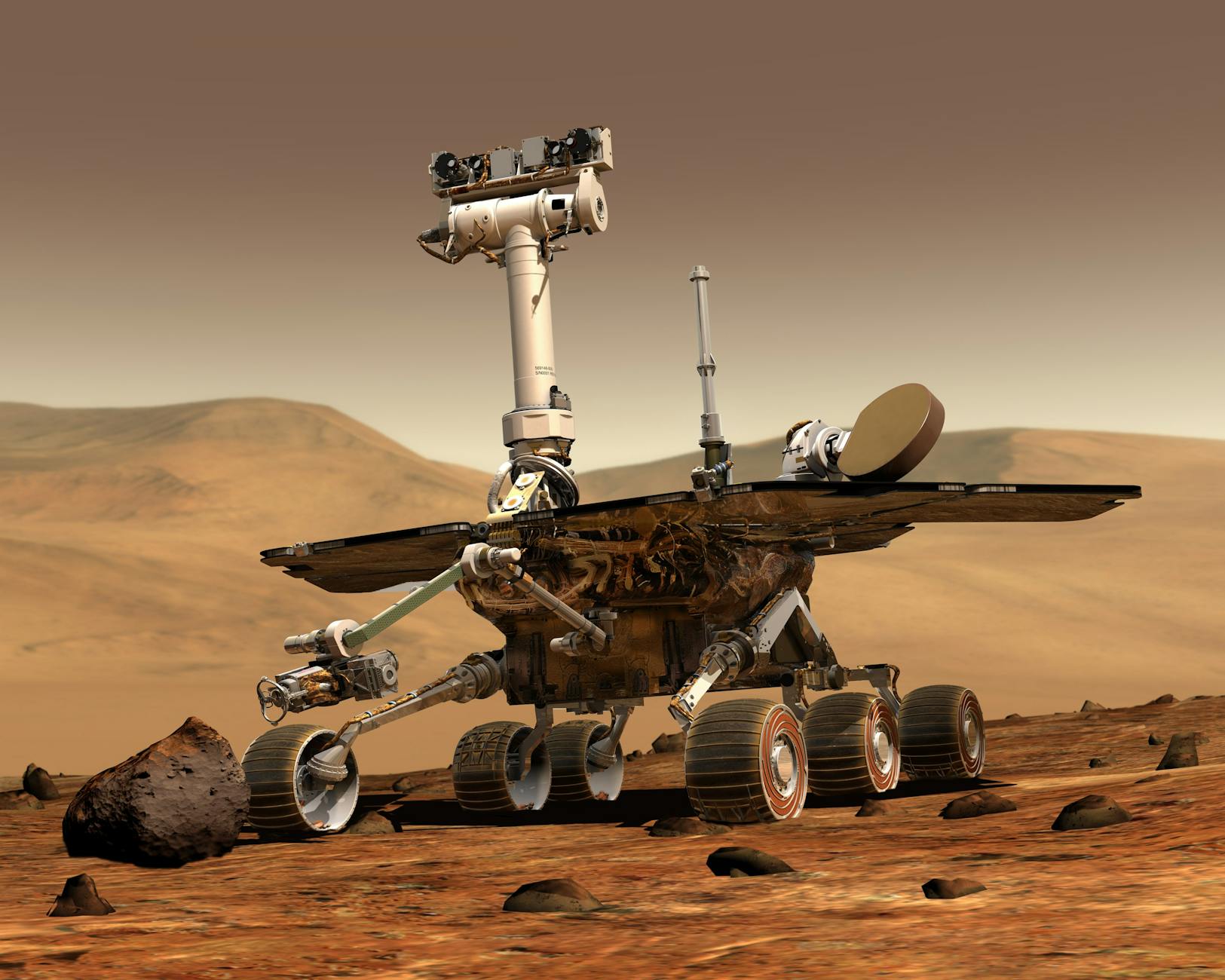
Imagine a robotic hand reaching down through a sky that is almost no sky at all. The surface is dry, ancient, and fine with dust. The spacecraft may skim low, fire a small mechanism, and capture a sample with the precision of a surgeon. The moment is brief, but it is the hinge of the entire mission. In that instant, a piece of another world becomes a piece of Earth’s future knowledge.
Act III: Coming Home
After the sample is secured, the spacecraft begins the long return. It must protect the dust from heat, radiation, and the strange chemistry of space. It must aim for Earth with a patience that feels almost human. Then, after years of silence, a capsule may fall through the atmosphere, trailing fire and parachute silk, carrying a cargo no larger than a thimble but priceless beyond measure.
Why this mission inspires us
Space missions are not only engineering feats. They are mirrors. They show what curiosity can build when it is given time, courage, and collaboration. The ten-gram moon mission reminds us that discovery does not always arrive with a thunderclap. Sometimes it arrives as dust on a sample tray, a faint signal from deep space, or a small vial that changes how we understand our place in the cosmos.

Did any of these facts surprise you? Drop a comment below! 💡
🔍 Common Inquiries
What is the mission?
Why is Martian moon dust valuable?
Which moon is being targeted?
Why only 10 grams?
How does the spacecraft collect the sample?
What happens when the sample returns to Earth?
#MarsMission #Phobos #SpaceExploration #SampleReturn #MartianMoon #SpaceScience #SpaceInspiration #FutureOfSpace #CosmicCuriosity #MarsDust
Enjoyed this story? Join our community on YouTube.