





The Atomic Bomb Inside a Hurricane: When Nature Unleashes 25 Nukes
The sound is not a roar, but a world-ending shriek. The air isn’t windy; it’s a solid, salt-laced wall moving at highway speeds. You are not witnessing a storm. You are standing before a natural reactor, a self-sustaining atmospheric engine that, in a single day, can release the energy equivalent of twenty-five Hiroshima-sized atomic bombs. This is the macro world of the hurricane, a force beyond human scale, where we are not builders, but forecasters racing against a planet’s raw power.
Act I: The Birth of a Leviathan
🎒 OneMinuteExplore Shop
Curated gear for the modern explorer. Support our field research.
It begins not with fury, but with a whisper of heat. Over ocean waters warmed to bath-like temperatures, a column of moist air begins its inevitable rise. As it climbs, it cools, condensing into towering thunderheads that release latent heat—the fuel. This heat engine kicks into gear, lowering pressure at the surface, sucking in more warm, moist air in a self-perpetuating cycle. The Coriolis force imparts a spin, and a chaotic cluster of thunderstorms organizes into a deadly, rotating machine.

The nascent storm, now a tropical depression, begins to draw a map of its own destruction. Its ‘eye’ forms—a deceptively calm, circular hub of descending air, surrounded by the most violent winds and rainfall in the eyewall. Here, in this macro-scale structure often 50 miles wide, the energy conversion is most intense. The system feeds, grows, and can explode from a Category 1 to a Category 5 monster in mere hours, a process so rapid it defies early 20th-century prediction.
Act II: Measuring the Unmeasurable
How do you quantify a force of nature? Meteorologists don’t measure the hurricane’s total energy, but its rate of energy production—its power. The benchmark is terrifying: a mature hurricane can generate about 6 x 10^14 watts per day. To grasp this, scientists translate it into a haunting analogue: the explosive yield of the atomic bomb dropped on Hiroshima, roughly 15 kilotons of TNT. A single hurricane, in its daily lifecycle, can expend the energy of 25 such bombs. This isn’t a one-time blast, but a continuous, day-long detonation over thousands of square miles.

The Forecasting Arms Race
We cannot compete with this force head-on. Our battle is one of information. The ‘front line’ is now a satellite grid, a fleet of ‘hurricane hunter’ aircraft plunging into the eyewall, and a global network of ocean buoys. We fly drones into the storm’s heart, drop sensors that measure temperature, pressure, and wind speed, and use supercomputers to run ensemble forecasts. Each model is a possible future, a story of where the storm might go, built on fluid dynamics equations that churn petabytes of data. The goal is not to stop the hurricane, but to out-predict it, buying precious hours for evacuation and preparation.
Act III: Living in the Macro World
The true scale of a hurricane is not seen from space, but felt on the ground. Its macro-world influence extends far beyond the wind field. The storm surge—a dome of water pushed ashore—can drown coastlines. Torrential rains, measured in feet not inches, trigger catastrophic inland flooding hundreds of miles from the center. The hurricane is an ecosystem disruptor, a climate actor, and a geological force that reshapes barrier islands.
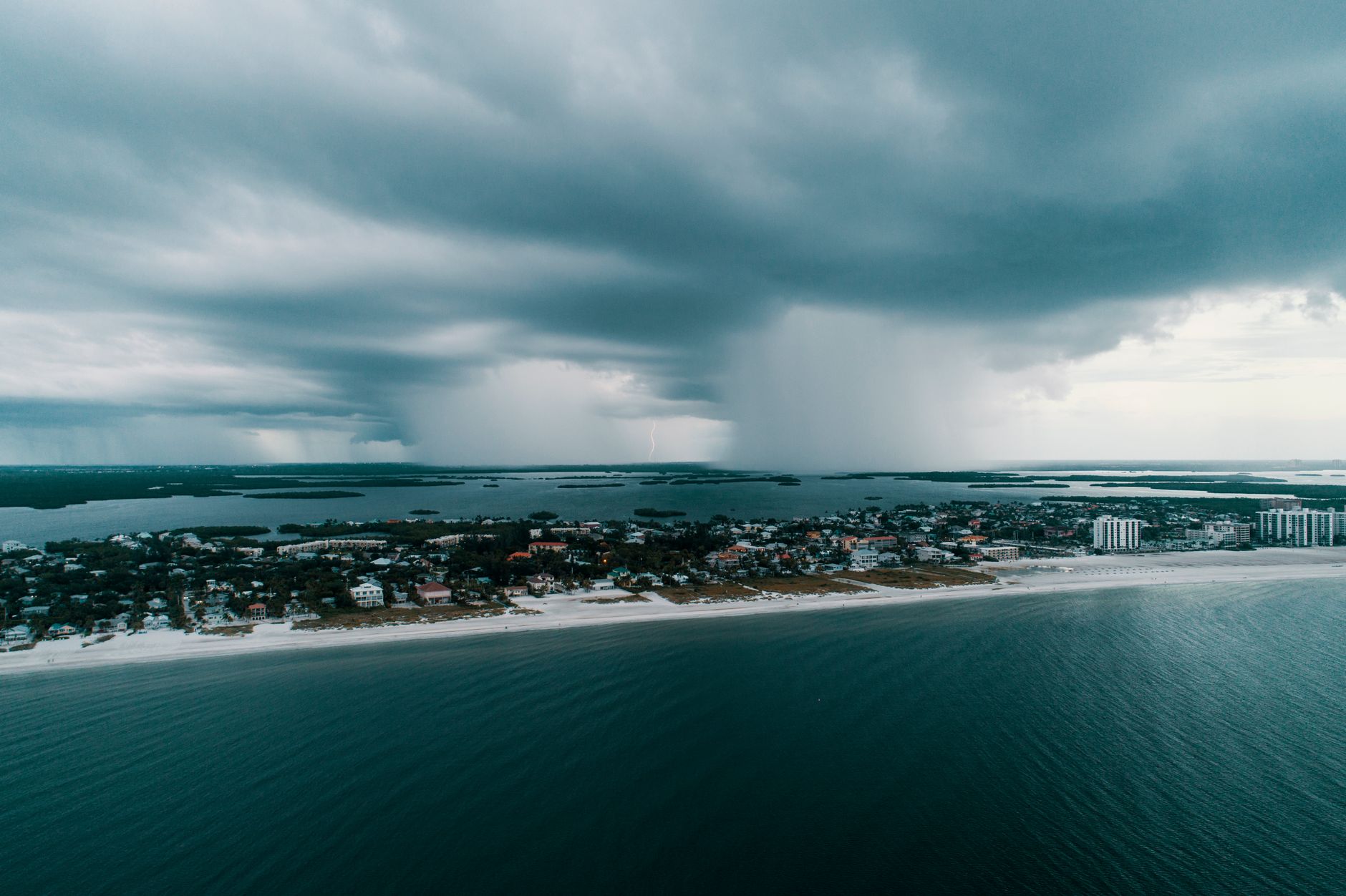
Our competition, therefore, shifts from confrontation to adaptation. We build smarter, design coastal resilience, and refine our warning systems. We study the macro-world links between warmer oceans and storm intensity. In the face of a natural reactor with the power of 25 atomic bombs, humanity’s victory lies not in domination, but in the relentless, sophisticated pursuit of foresight.
Did any of these facts surprise you? Drop a comment below! 💡
🔍 Common Inquiries
How is a hurricane’s energy compared to an atomic bomb?
Can we ever stop or weaken a hurricane?
What part of a hurricane is the most dangerous?
Why are hurricanes getting stronger?
How accurate are hurricane forecasts today?
What does ‘Category 5’ actually mean?
#HurricaneForce #AtomicPowerOfNature #MacroWorld #StormScience #NaturalDisaster #WeatherTech #ClimateImpact #HurricaneHunter #ExtremeWeather #DidYouKnow
Enjoyed this story? Join our community on YouTube.