



The Green Gold Rush: How a Market for Native Plants Could Save Brazil’s Atlantic Forest
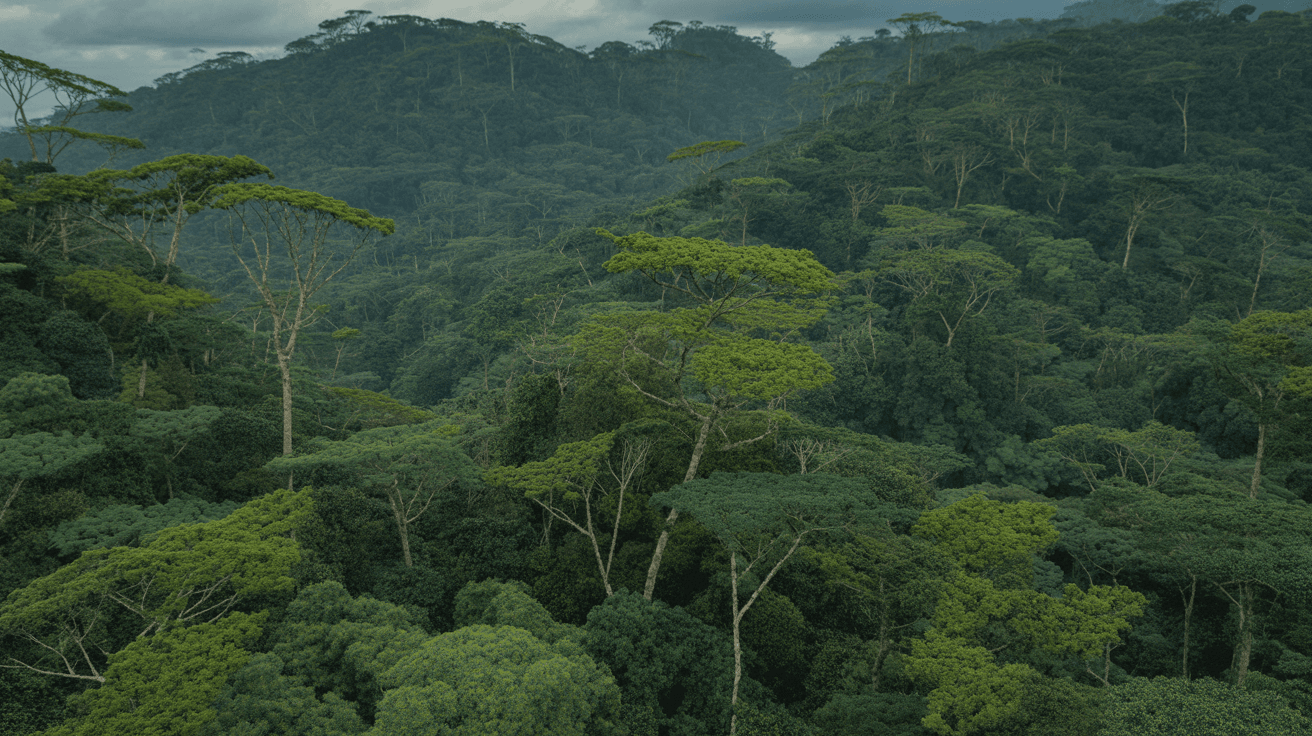
Close your eyes. Imagine the symphony of a living forest – the rustle of leaves, the distant call of a macaw, the earthy scent of ancient soil. Now, imagine it silenced, replaced by the stark reality of deforestation. For decades, Brazil’s Atlantic Forest, a biodiversity hotspot, has fought for survival. But a new hope emerges not from grand policy, but from the humble roots of native plants and the burgeoning market they inspire.


Act I: Echoes of a Lost Empire
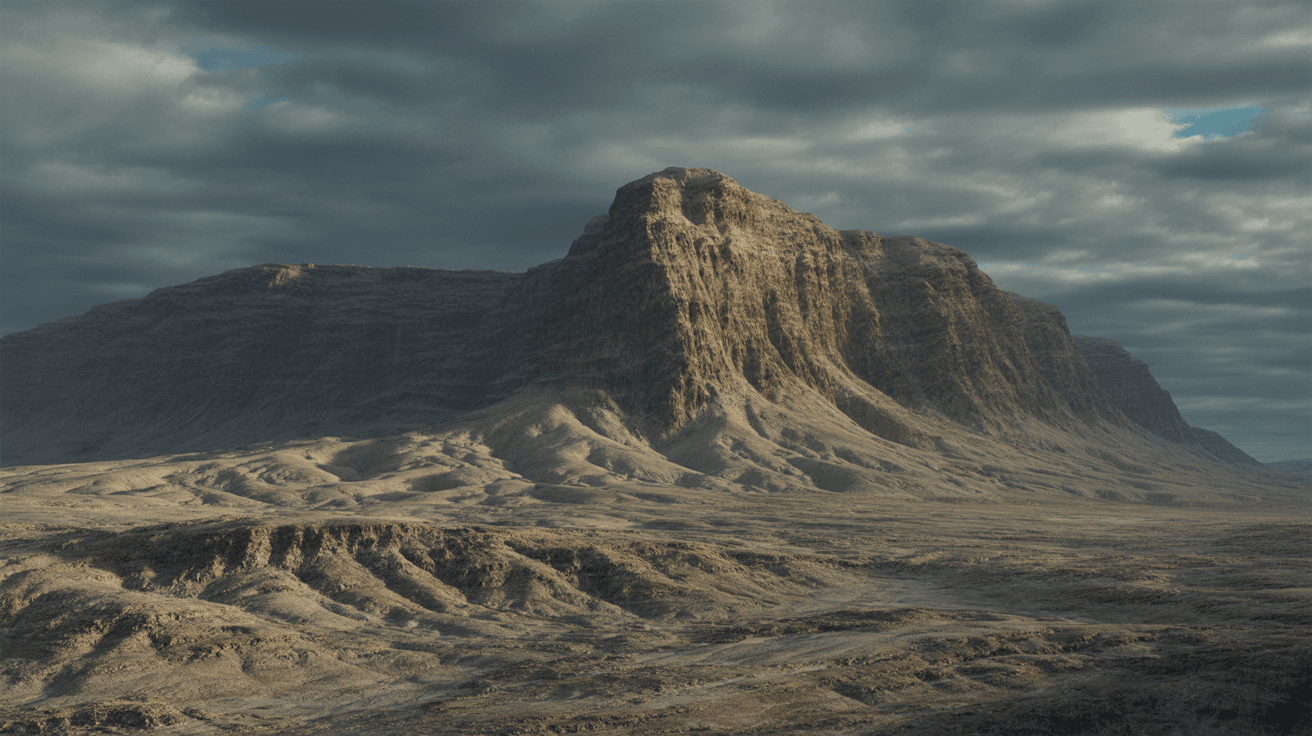
The Atlantic Forest, once a sprawling emerald cloak along Brazil’s coast, has been relentlessly chipped away, leaving fragmented ecological islands. This destruction leads to a tragic cascade: immense biodiversity loss, severe degradation of water and soil quality, and a diminished capacity to store vital carbon. The very breath of our planet is at stake. Restoration projects have battled against these tides for decades, planting saplings, nurturing growth, yet often struggling to create self-sustaining ecosystems. The sheer scale of the challenge has often seemed insurmountable.

Act II: The Seeds of Commerce
A silent revolution is underway. Visionaries are realizing that the true key to large-scale restoration might lie in economic incentives. What if protecting and planting native species wasn’t just an ecological imperative, but a viable business? The idea is simple yet profound: create a robust market for native plants – for medicines, cosmetics, food, or even ornamental purposes – and suddenly, the forest becomes a valuable commodity, alive and thriving, rather than a resource to be cleared. This approach empowers local communities, offering sustainable livelihoods that are intrinsically linked to the health of the ecosystem.

Act III: A Symbiotic Future
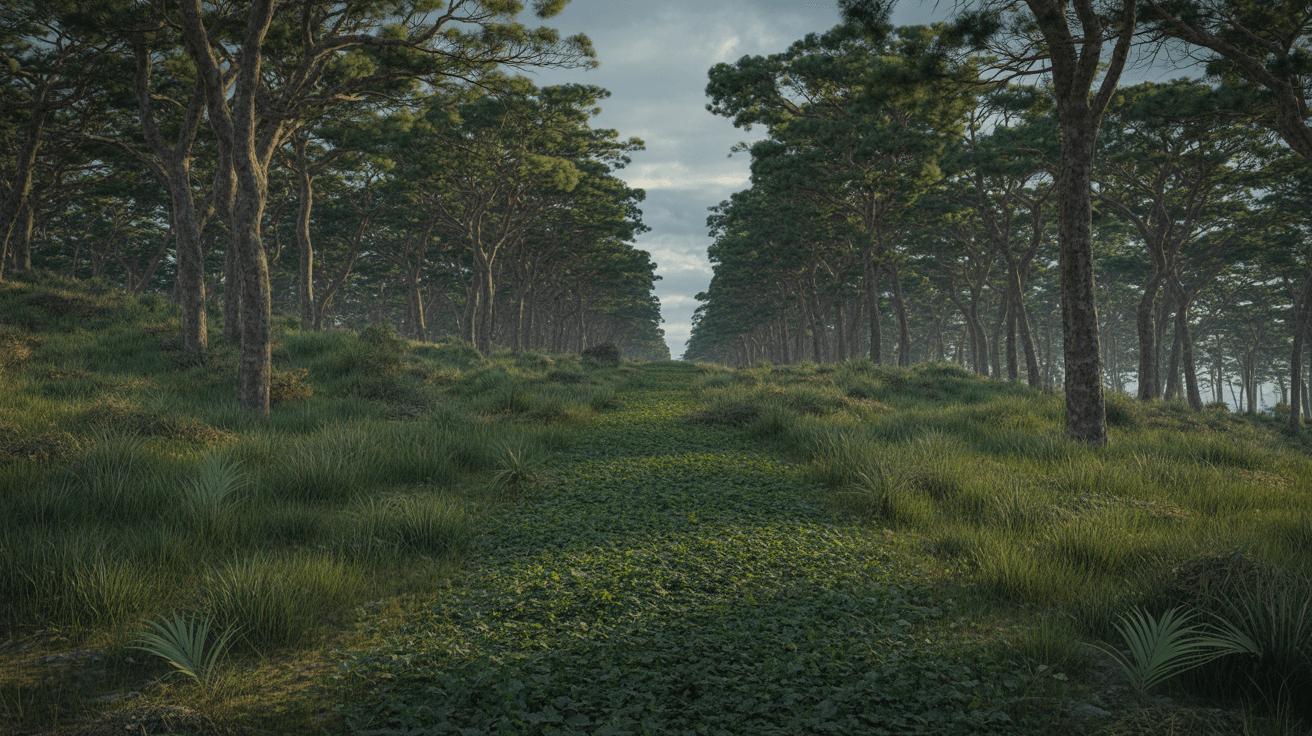
This isn’t merely about planting trees; it’s about cultivating an entire economy around ecological preservation. Imagine communities tending nurseries of rare native species, processing their fruits for gourmet foods, or extracting oils for sustainable beauty products. This creates a powerful feedback loop: as the market for native plants grows, so does the incentive to protect and expand the Atlantic Forest. It’s a vision where environmental health and economic prosperity are not mutually exclusive, but deeply intertwined, leading to a vibrant, teeming future for this irreplaceable biome. The success of these projects, and indeed, the fate of the Atlantic Forest, now hinges on our ability to see the true value in its natural bounty.

Did any of these facts surprise you? Drop a comment below! 💡
🔍 Common Inquiries
What is the primary challenge facing Brazil’s Atlantic Forest?
How do traditional restoration projects in the Atlantic Forest typically operate?
What new approach is being proposed for the restoration of the Atlantic Forest?
What kind of products could be derived from native Atlantic Forest plants?
How does a market for native plants benefit local communities?
Why is focusing on native plants critical for effective restoration?
#AtlanticForest #BrazilConservation #NativePlants #EcosystemRestoration #GreenEconomy #BiodiversityMatters #SustainableLiving #ForestsOfBrazil #NatureHeals #OneMinuteExplore
Enjoyed this story? Join our community on YouTube.