


Whispers from the Abyss
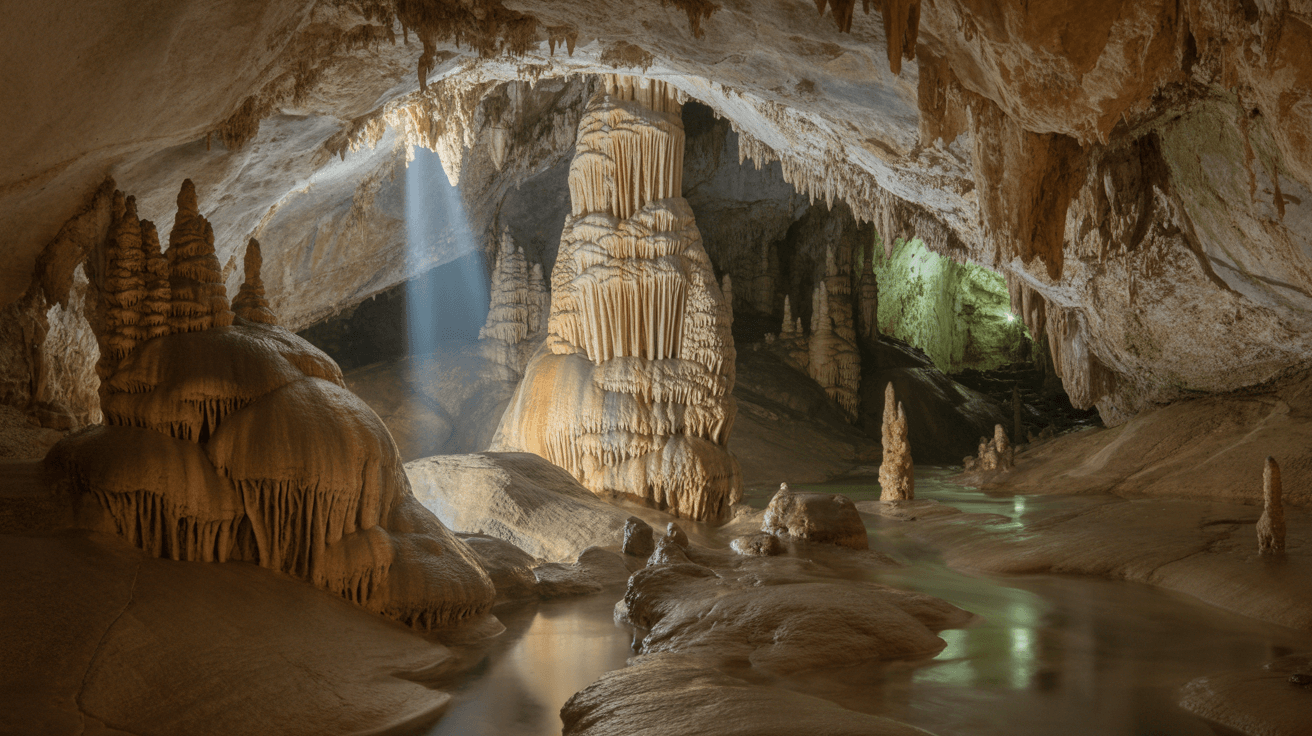
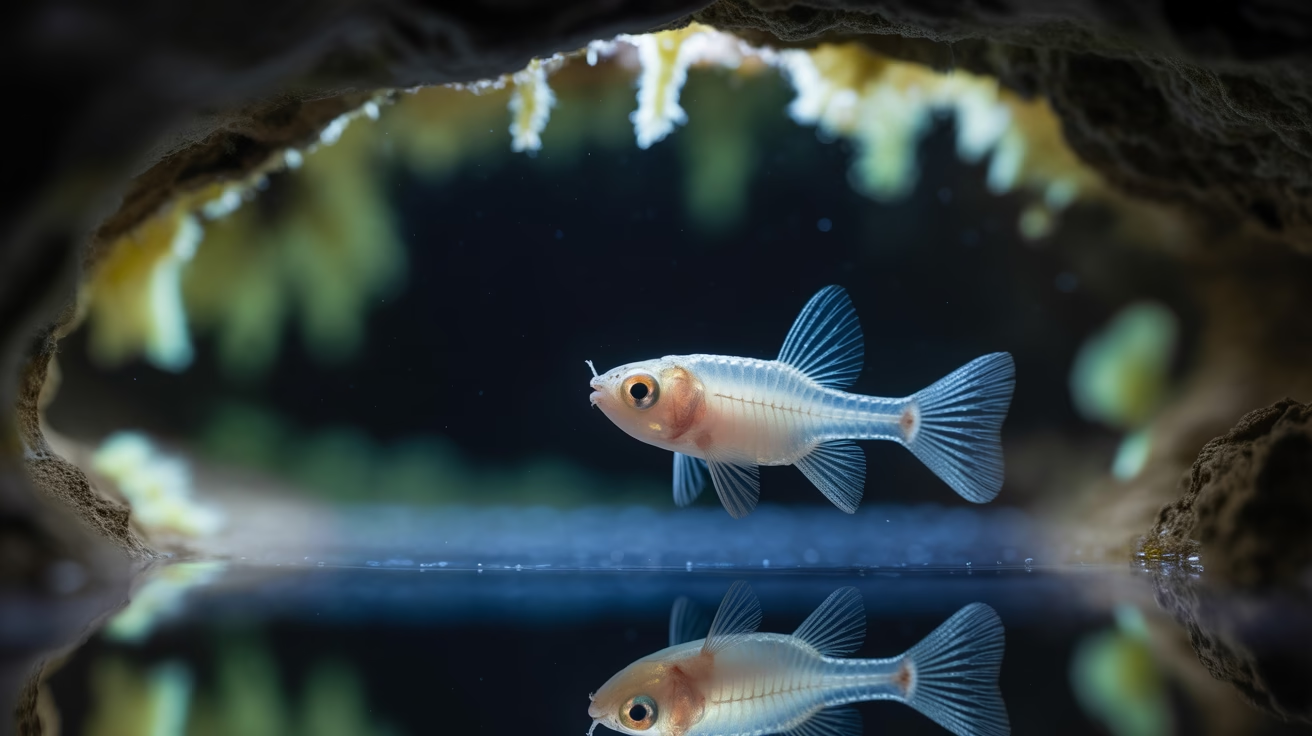
Deep within the labyrinthine karst caves of Guangxi, China, the Guanxi White Cavefish glides silently through eternal darkness. This blind, ghostly troglobite, utterly depigmented and eyeless, has evolved for a life confined to nutrient-scarce subterranean waters.


Its world is one of profound stillness, where light never penetrates and time bends in endless night. Yet this isolation breeds exquisite vulnerability.
Adaptations of the Sightless Wanderer
Devoid of eyes, the cavefish navigates by brushing cave walls with hypersensitive neuromasts on its head. These tactile organs, like outstretched fingers in the void, map the unseen contours of its domain.
Its translucent body conserves energy in waters of constant chill, its circadian rhythm stretched beyond the sun’s forgotten cycle. Every trait whispers of perfection honed by isolation.
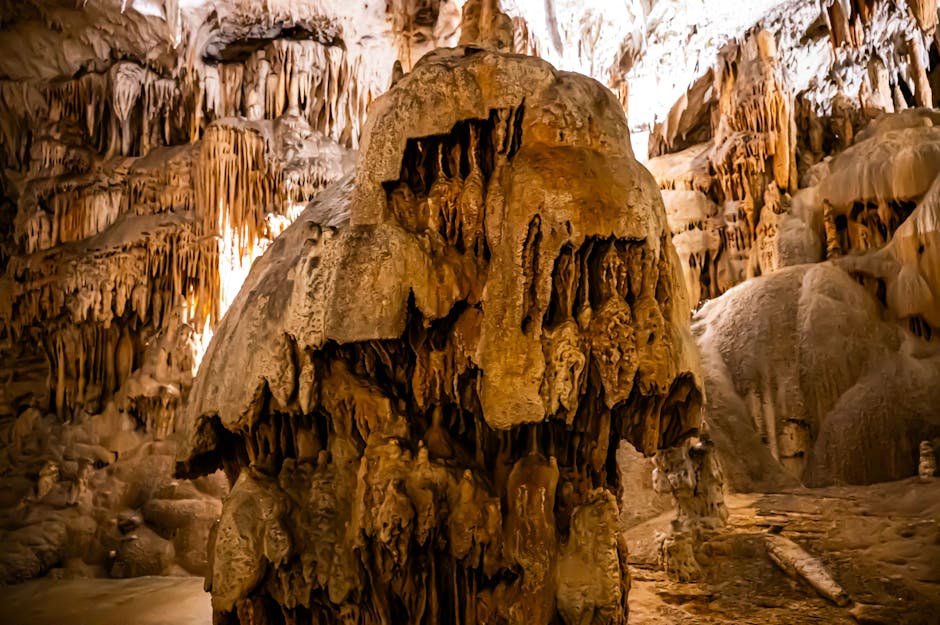
Encroaching Shadows: Agricultural Onslaught
Agricultural runoff now seeps into these sacred depths, laden with fertilizers and pesticides. The cavefish’s pristine habitat turns toxic, disrupting the delicate balance of this endemic realm.
Chemicals accumulate relentlessly, poisoning the water that sustains this unique lineage. No escape exists for a creature bound to one shadowy sanctuary.
Hidden Risks
Beneath the surface, bioaccumulation silently ravages the food chain, amplifying toxins in the cavefish’s frail form. Subtle shifts in pH and oxygen levels, imperceptible aboveground, spell catastrophe below.
These unseen threats erode genetic diversity, pushing the population toward a genetic bottleneck from which recovery may prove impossible.
Industrial Poisons and Thirsty Pumps
Industrial pollution cascades in, heavy metals and effluents fouling the aquifers. Factories upstream choke the lifeblood of these caves with unrelenting discharge.
Groundwater extraction for agriculture and cities drains the caves dry, stranding the fish in shrinking pools. What was once a stable haven now fluctuates wildly.

Estimated Costs
Restoring karst aquifers could demand billions in filtration systems and sustainable farming tech. Relocating industries might cost hundreds of millions annually, yet inaction risks total ecosystem collapse valued at irreplaceable biodiversity loss.
Conservation monitoring alone requires $5-10 million yearly for Guangxi’s cave networks, a fraction of the economic fallout from species extinction.
The Subterranean Cry
This troglobite’s plight mirrors countless cave dwellers worldwide, their tiny realms threatened by human excess. Guangxi’s caves, cradles of evolution, now harbor ghosts of what unchecked development destroys.
Without intervention, the Guanxi White Cavefish fades into legend, its adaptations lost to the dark forever.
shop link
Discover cave conservation gear at our shop: protective filters, eco-monitors, and awareness kits to shield subterranean wonders.
The Takeaway
The Guanxi White Cavefish embodies nature’s fragile genius, now imperiled by surface greed. Urgent safeguards—stricter pollution controls, sustainable extraction, and protected zones—offer the only path to preserve this eternal shadow dweller.
**Join the Conversation**
Did any of these facts surprise you? We’d love to hear your thoughts—drop a comment below! 💡
Frequently Asked Questions
What makes the Guanxi White Cavefish unique?
This blind, depigmented troglobite navigates pitch-black caves using head neuromasts, perfectly adapted to Guangxi’s karst depths.
Why is its habitat so vulnerable?
Nutrient-poor cave waters are hypersensitive to pollutants, runoff, and drainage, with no refuge for its endemic population.
What are the main environmental threats?
Agricultural chemicals, industrial effluents, and groundwater pumping degrade water quality and levels, dooming the ecosystem.
Can the cavefish survive these dangers?
Its extreme specialization leaves it defenseless; without human intervention, extinction looms near.
How can we protect this species?
Enforce pollution bans, promote sustainable farming, and establish cave reserves to halt the encroaching peril.
Are similar fish at risk elsewhere?
Yes, countless cavefish globally face identical threats from habitat disruption and contamination.
Thanks for joining this ride. Stay curious, stay tuned, and let’s make our world brighter!
Subscribe to our YouTube channel and stay tuned for more intriguing mysteries and scientific wonders. Together, let’s uncover the secrets of the Earth and expand our understanding of this fascinating world.
If you liked this story, sign up for the weekly OneMinuteExplore features newsletter called “The Essential List”. A handpicked selection of stories from OneMinute Nature, Wildlife, Culture, Travel, Stories, and more… delivered to your inbox every Weekend.
👉 We may earn a commission from purchases made through links in this content, but it won’t affect your price. Rest assured, our recommendations are based on thorough research and genuine belief in the products. Your support through these links helps us continue providing valuable content. Thank you for being so supportive!