

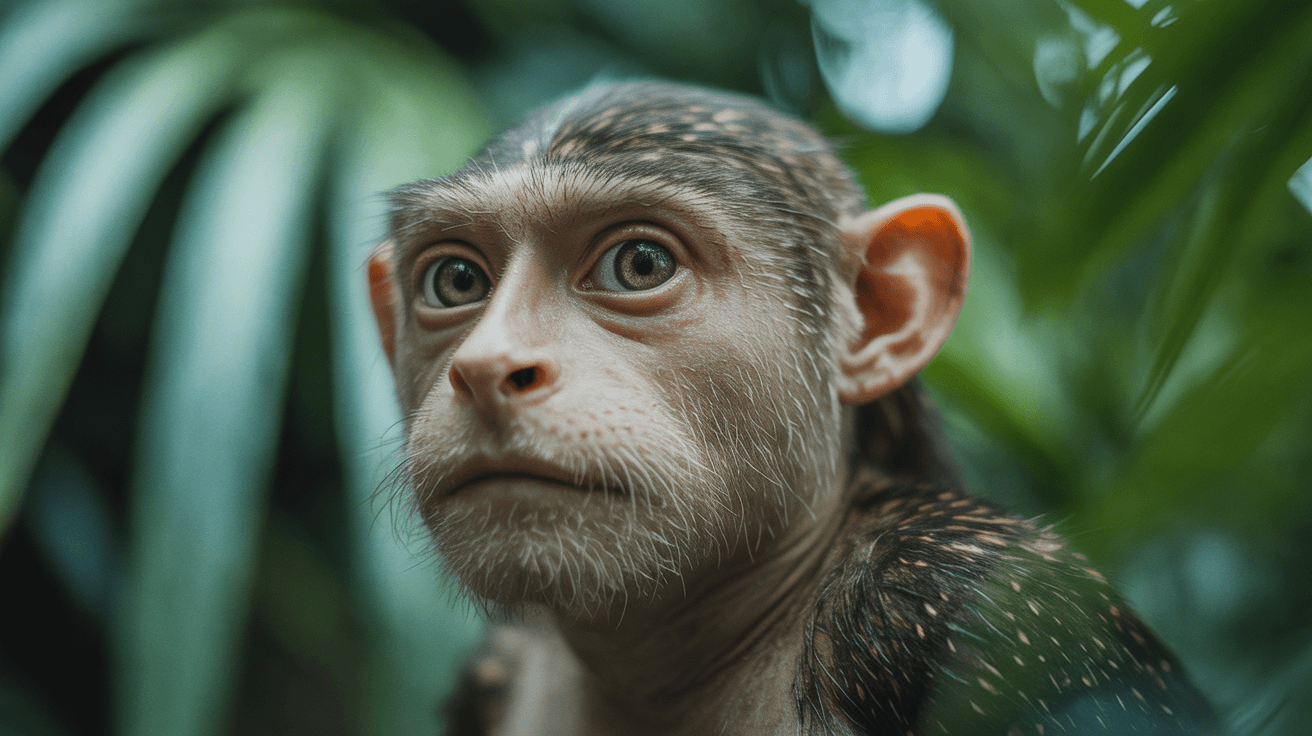

Ghosts of the Jungle: Three ‘Extinct’ Species Resurface in Honduras’ Legendary Lost City
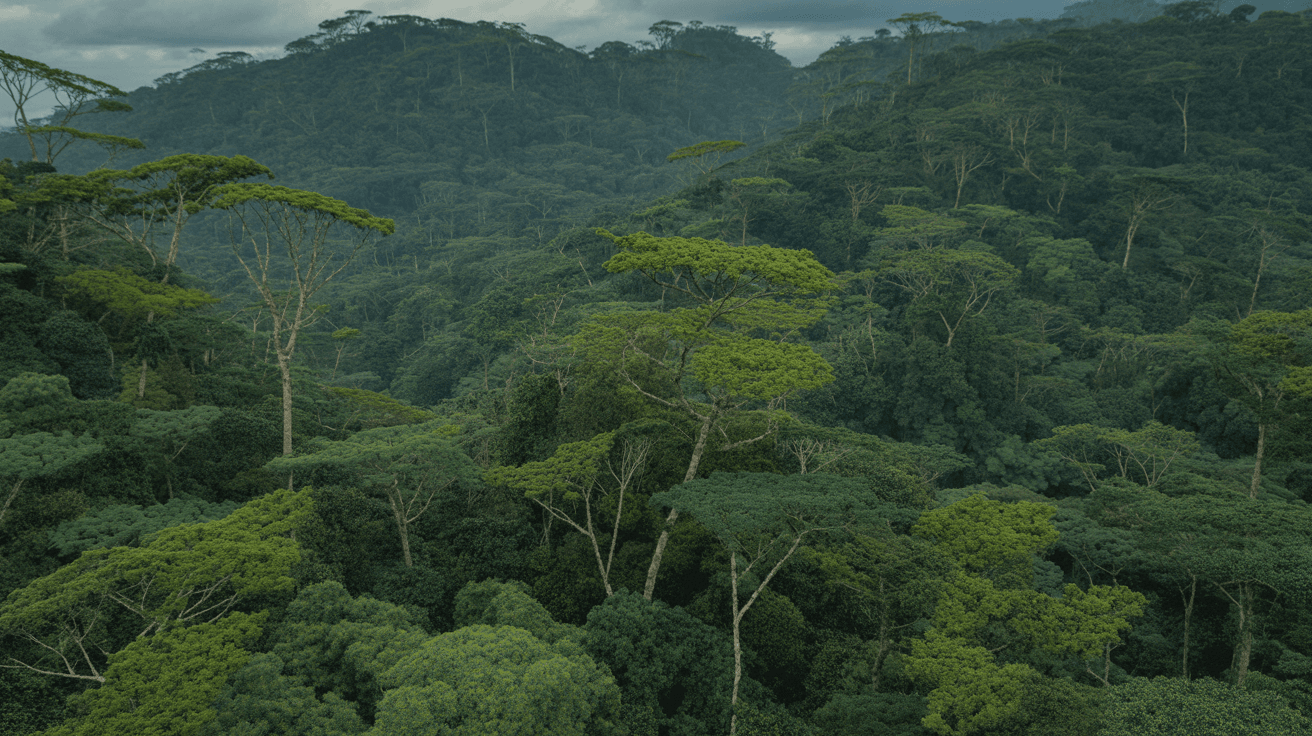
The helicopter blades cut through humid silence as researchers descended into the Mosquitia rainforest—a place where time moves differently. Below them lay La Cuidad Blanca, the White City, abandoned for five centuries. What awaited inside would challenge everything conservationists thought they knew about extinction.


Act I: The Descent into Legend
🎒 OneMinuteExplore Shop
Curated gear for the modern explorer. Support our field research.
In 2017, a team from Conservation International ventured into one of Earth’s most remote protected areas: 865,000 acres of pristine rainforest in central Honduras. Their destination was the City of the Jaguar, an archaeological complex so isolated that armed soldiers accompanied them for protection. The mission was straightforward—catalog the biodiversity. What they discovered was extraordinary.
Among the dense canopy and ancient stone, three creatures emerged from the shadows of extinction itself. The pale-faced bat, last documented in Honduras in 1942—75 years of silence. The false tree coral snake, vanished since 1965. A tiger beetle, presumed extinct and thought confined to Nicaragua alone. These weren’t theoretical discoveries in dusty museum records. These were living, breathing proof that extinction is not always final.
Act II: The Catalog of Wonders
Over three weeks, the team methodically documented the impossible. They identified 183 plant species, 246 butterflies and moths, 198 birds, 22 amphibians, 35 reptiles, 13 fish, 40 small mammals, and 30 medium to large mammals. In total, 22 species had never been recorded in Honduras before.

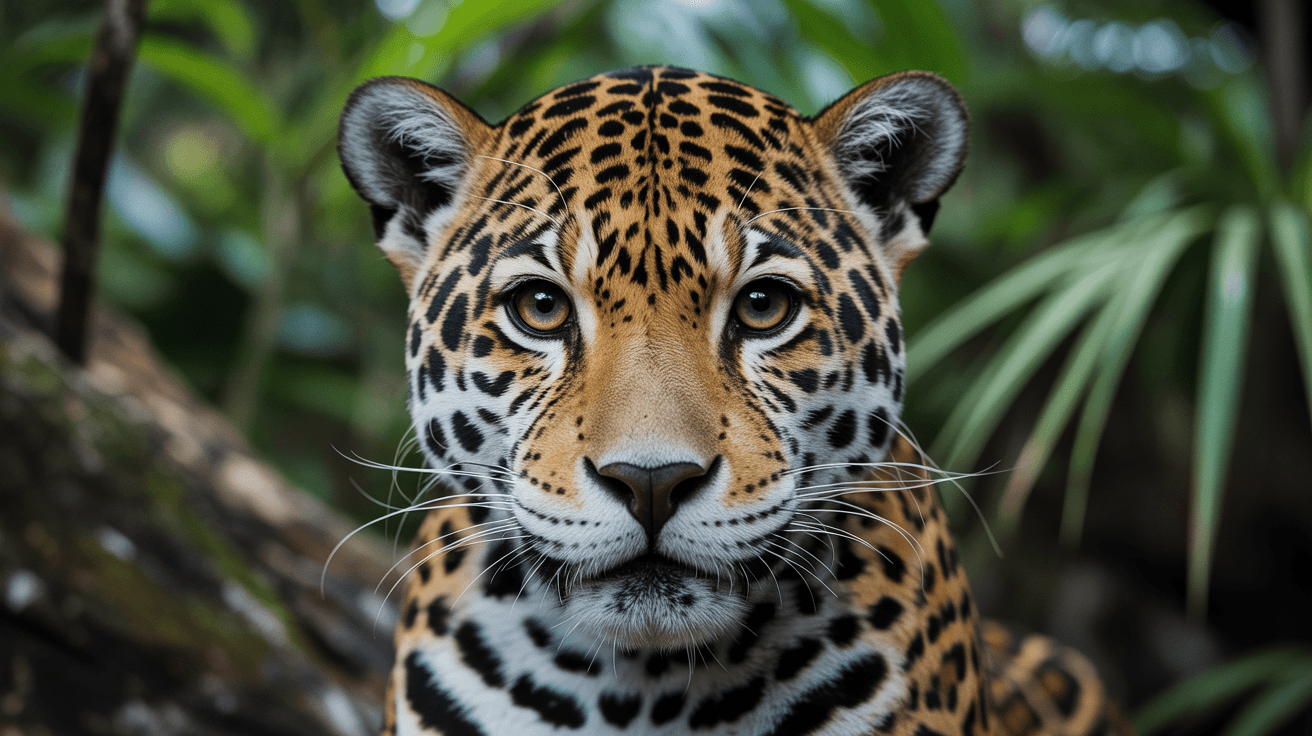
But the crown jewel emerged from the water: a new species of poeciliid fish, a “molly,” unknown to science until that moment. The researchers also encountered a thriving population of white-lipped peccaries—pig-like herbivores struggling across the continent—suggesting an ecosystem so intact that predators like jaguars and pumas roamed freely.
The Rarity Within Rarity
Among the rediscovered species was the Great Green Macaw, fewer than 2,500 remaining in Central America’s wild. The red-eyed tree frog, an amphibian facing extinction across the globe. These weren’t just biological curiosities—they were living indicators of an ecosystem functioning as nature intended, before human pressure fractured it elsewhere.
Why This Matters
Trond Larsen, Director of Conservation International’s Rapid Assessment Program, captured the significance: “The White City is one of the few areas remaining in Central America where ecological and evolutionary processes remain intact.” Yet protection remains fragile. As one researcher noted, “Even though many of these places lie in official protected areas, it’s very difficult to enforce protection.”
Act III: The Lasting Impact
The White City’s rediscovery challenges a fundamental assumption in conservation: that extinction is irreversible. These three species—the pale-faced bat, the false tree coral snake, the tiger beetle—prove that isolated refuges can preserve what we thought lost. They are not miracles. They are evidence that wilderness, when protected, remembers.
The Mosquitia rainforest, the largest contiguous protected area in Latin America north of the Amazon, now stands as a living laboratory. Not just for what it contains, but for what it teaches: that in a world of vanishing species, some corners of Earth still hold their secrets close—waiting for those patient enough to listen.
What’s the most amazing animal encounter you’ve ever had? 🐾
🔍 Common Inquiries
What three extinct species were rediscovered in Honduras’ White City?
The pale-faced bat (last seen in Honduras in 1942), the false tree coral snake (absent since 1965), and a tiger beetle species previously thought confined to Nicaragua[1][2].
How many new species were discovered?
One species of poeciliid fish (molly) was identified as new to science, with 22 additional species recorded in Honduras for the first time[1][2].
When did the expedition take place?
The three-week biological survey was conducted in 2017 by a team led by the government of Honduras and Conservation International’s Rapid Assessment Program[2].
What makes the White City ecosystem unique?
It is one of the few remaining areas in Central America where ecological and evolutionary processes remain intact, with thriving populations of apex predators like jaguars and pumas[2].
What threats does the region face?
Despite official protection, enforcement is difficult, with illegal activity driven partly by drug trafficking and habitat loss affecting species across the region[1].
Honduras • Lost City • Extinct Species • Conservation • Rainforest • Wildlife Discovery • Biodiversity • Central America • Documentary
Enjoyed this story? Join our community on YouTube.