




Uncovered: 8 Rare Creatures Found Hidden on Man at Thailand Airport—Wildlife Officials Reveal Shocking Smuggling Operation
In a heart-stopping moment at one of Asia’s busiest aviation hubs, Thai customs officers made a discovery that would expose a sprawling transnational wildlife trafficking network. A single passenger’s suitcase contained eight protected animals—living, breathing creatures destined for the black market—concealed among everyday belongings. What unfolded was not just the interception of contraband, but a window into a criminal enterprise that threatens the survival of endangered species worldwide.


The Interception: A Coordinated Strike Against Wildlife Crime
🎒 OneMinuteExplore Shop
Curated gear for the modern explorer. Support our field research.
On February 2, 2026, Thai state agencies executed a coordinated sting operation at Suvarnabhumi Airport that would become a textbook example of international wildlife enforcement. Acting on intelligence and passenger profiling, customs officers teamed with the Department of National Parks, Wildlife and Plant Conservation (DNP) to inspect a Thai male passenger arriving from the Philippines.
The rigorous luggage search yielded a haul of eight protected animals, each one a living testament to the desperation of traffickers willing to risk imprisonment for profit. The illicit cargo carried an estimated market value of approximately $1,450 (50,000 baht)—a pittance compared to the ecological devastation such trafficking causes.
The Criminal Charges: A Multi-Act Violation
The suspect faced a litany of charges under Thai law, each one reflecting the severity of wildlife trafficking as a crime. Prosecutors invoked the Wild Animal Conservation and Protection Act (2019) for the unauthorized import of protected species, the Animal Epidemics Act (2015) for bypassing mandatory health screenings, and the Customs Act (2017) for evading formal entry procedures.
“This case is a stark reminder that wildlife smuggling remains a lucrative and ongoing enterprise,” declared Santanee Phairattanakorn, director of the Suvarnabhumi Airport Passenger Control Customs Office. Her words carried the weight of institutional resolve—a warning to traffickers that Thailand’s borders were no longer a gateway for illegal animal trade.
The Broader Crisis: Transnational Syndicates and Ecosystem Collapse
This single seizure represents merely the visible tip of a criminal iceberg. Officials emphasized that such activities are often linked to larger transnational syndicates that cause irreparable damage to global ecosystems and tarnish Thailand’s international standing. The World Wildlife Fund has documented how this illicit trade creates “biodiversity loss” and fosters “conditions ripe for zoonotic disease transmission” to human beings.
When species dwindle due to trafficking, entire ecosystems destabilize. Food chains collapse, habitats lose resilience to climate change, and invasive species introduced to foreign environments wreak ecological havoc. The consequences ripple far beyond the animals themselves—they threaten human food security, public health, and the stability of natural systems upon which civilization depends.
International Response: Tightening the Net
The Customs Department has pledged to increase the frequency of luggage screenings and tighten surveillance on high-risk routes. Officials reaffirmed their commitment to the Convention on International Trade in Endangered Species of Wild Fauna and Flora (CITES), vowing to work alongside international partners to dismantle the networks that profit from the exploitation of nature.
Beyond Thailand, governments worldwide are intensifying enforcement. The United States Congress introduced the Wildlife Confiscations Network Act of 2025, while New York expanded its definition of exotic animals to strengthen protections. Nigeria and the Democratic Republic of Congo have also enacted new legislation to combat trafficking.
Yet even as authorities grow more vigilant, traffickers grow more brazen—selling animals online, smuggling them via drone, and exploiting gaps in international enforcement. The battle against wildlife trafficking remains one of the defining conservation struggles of our time, with each airport seizure a small victory in a much larger war.
FAQ: Understanding Wildlife Trafficking and Its Impact
What animals are typically smuggled in wildlife trafficking operations?
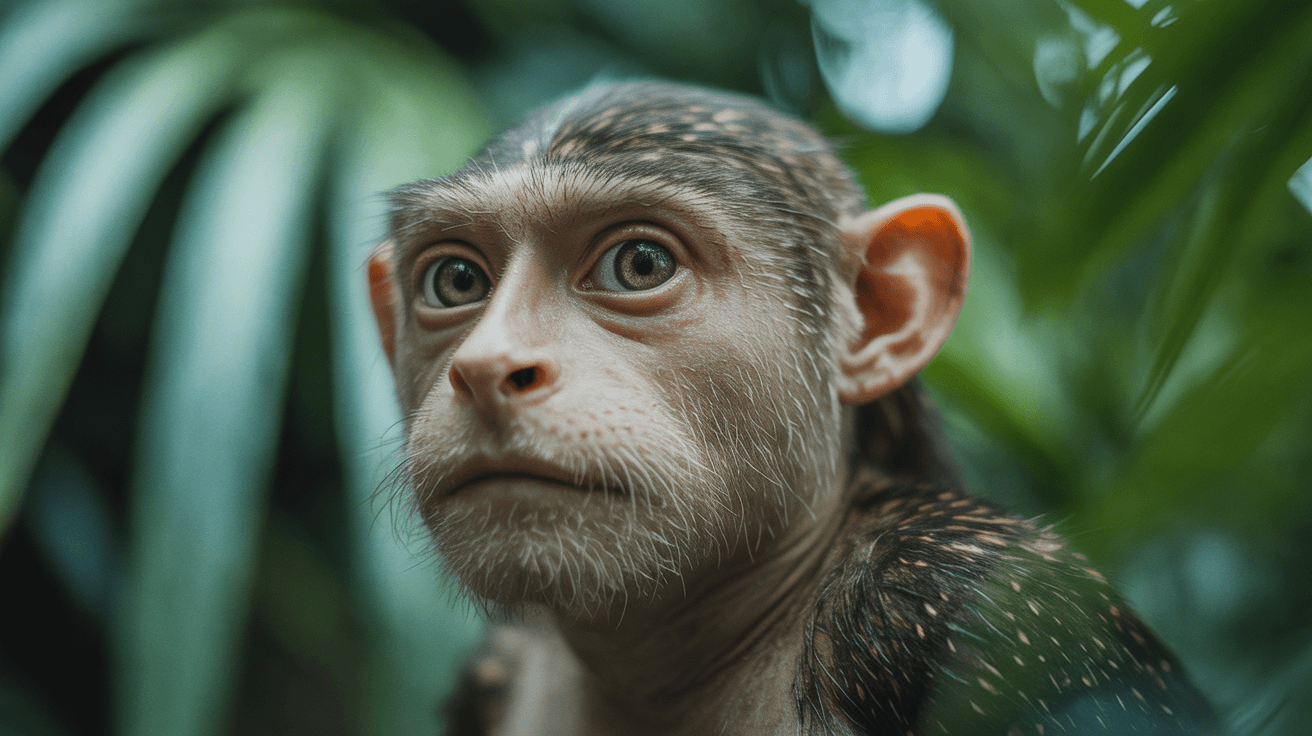
Traffickers target a wide range of protected species, from endangered primates like Indochinese lutungs (silvered leaf monkeys) to reptiles, amphibians, and crustaceans. These animals are valued for the exotic pet trade, traditional medicine, and luxury goods markets. The diversity of species targeted reflects the global demand for rare creatures, with some smuggling operations involving over 100 animals in a single shipment.
Why is wildlife trafficking considered a public health threat?
The World Wildlife Fund identifies wildlife trafficking as creating “conditions ripe for zoonotic disease transmission” to humans. When animals are transported under harsh conditions without proper health screenings—as documented in smuggling cases—they can carry pathogens that jump to human populations. This risk is compounded when smuggled species are released into new environments, potentially spreading diseases to local wildlife and domestic animals.
What legal consequences do wildlife smugglers face?
Smugglers face prosecution under multiple statutes. In Thailand, charges include violations of the Wild Animal Conservation and Protection Act (2019), the Animal Epidemics Act (2015), and the Customs Act (2017). Penalties can include imprisonment and substantial fines. The multi-layered legal approach reflects the seriousness with which authorities treat these crimes.
How do airport security officials detect hidden animals?
Detection relies on a combination of passenger profiling, intelligence tips, and rigorous luggage inspection. Customs officers work alongside specialized wildlife inspection units to identify suspicious behavior and conduct thorough searches. Advanced screening techniques and trained personnel enable authorities to intercept contraband that would otherwise pass through.
What happens to animals rescued from smuggling operations?
Rescued animals are transferred to wildlife experts for medical evaluation and rehabilitation. This process is critical, as smuggled creatures often endure severe trauma from transport under harsh conditions—extreme heat, lack of food, and confinement. Rehabilitation centers work to restore the animals’ health before determining whether they can be reintegrated into the wild or placed in appropriate sanctuaries.
What’s the most amazing animal encounter you’ve ever had? 🐾
🔍 Common Inquiries
What animals are typically smuggled in wildlife trafficking operations?
Traffickers target a wide range of protected species, from endangered primates like Indochinese lutungs (silvered leaf monkeys) to reptiles, amphibians, and crustaceans. These animals are valued for the exotic pet trade, traditional medicine, and luxury goods markets. The diversity of species targeted reflects the global demand for rare creatures, with some smuggling operations involving over 100 animals in a single shipment.[2][3]
Why is wildlife trafficking considered a public health threat?
The World Wildlife Fund identifies wildlife trafficking as creating “conditions ripe for zoonotic disease transmission” to humans. When animals are transported under harsh conditions without proper health screenings—as documented in smuggling cases—they can carry pathogens that jump to human populations. This risk is compounded when smuggled species are released into new environments, potentially spreading diseases to local wildlife and domestic animals.[3]
What legal consequences do wildlife smugglers face?
Smugglers face prosecution under multiple statutes. In Thailand, charges include violations of the Wild Animal Conservation and Protection Act (2019), the Animal Epidemics Act (2015), and the Customs Act (2017). Penalties can include imprisonment and substantial fines. The multi-layered legal approach reflects the seriousness with which authorities treat these crimes.[1]
How do airport security officials detect hidden animals?
Detection relies on a combination of passenger profiling, intelligence tips, and rigorous luggage inspection. Customs officers work alongside specialized wildlife inspection units to identify suspicious behavior and conduct thorough searches. Advanced screening techniques and trained personnel enable authorities to intercept contraband that would otherwise pass through.[1][2]
What happens to animals rescued from smuggling operations?
Rescued animals are transferred to wildlife experts for medical evaluation and rehabilitation. This process is critical, as smuggled creatures often endure severe trauma from transport under harsh conditions—extreme heat, lack of food, and confinement. Rehabilitation centers work to restore the animals’ health before determining whether they can be reintegrated into the wild or placed in appropriate sanctuaries.[2]
wildlife trafficking Thailand airport • endangered animals smuggling • Suvarnabhumi Airport seizure • protected species illegal trade • wildlife conservation enforcement • transnational smuggling ring • exotic pet trade black market • animal trafficking prosecution • CITES wildlife protection • zoonotic disease wildlife trafficking
Enjoyed this story? Join our community on YouTube.