


Descend into the White Cave’s Hidden Realm
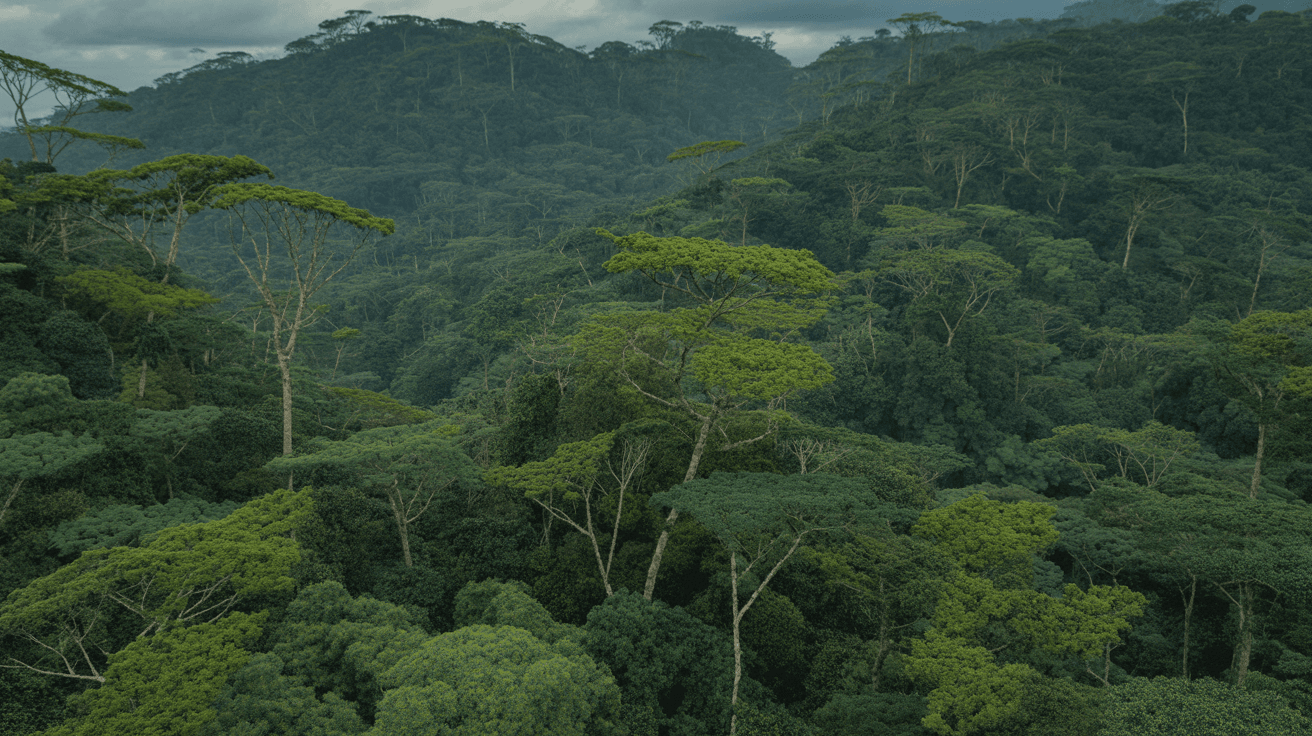
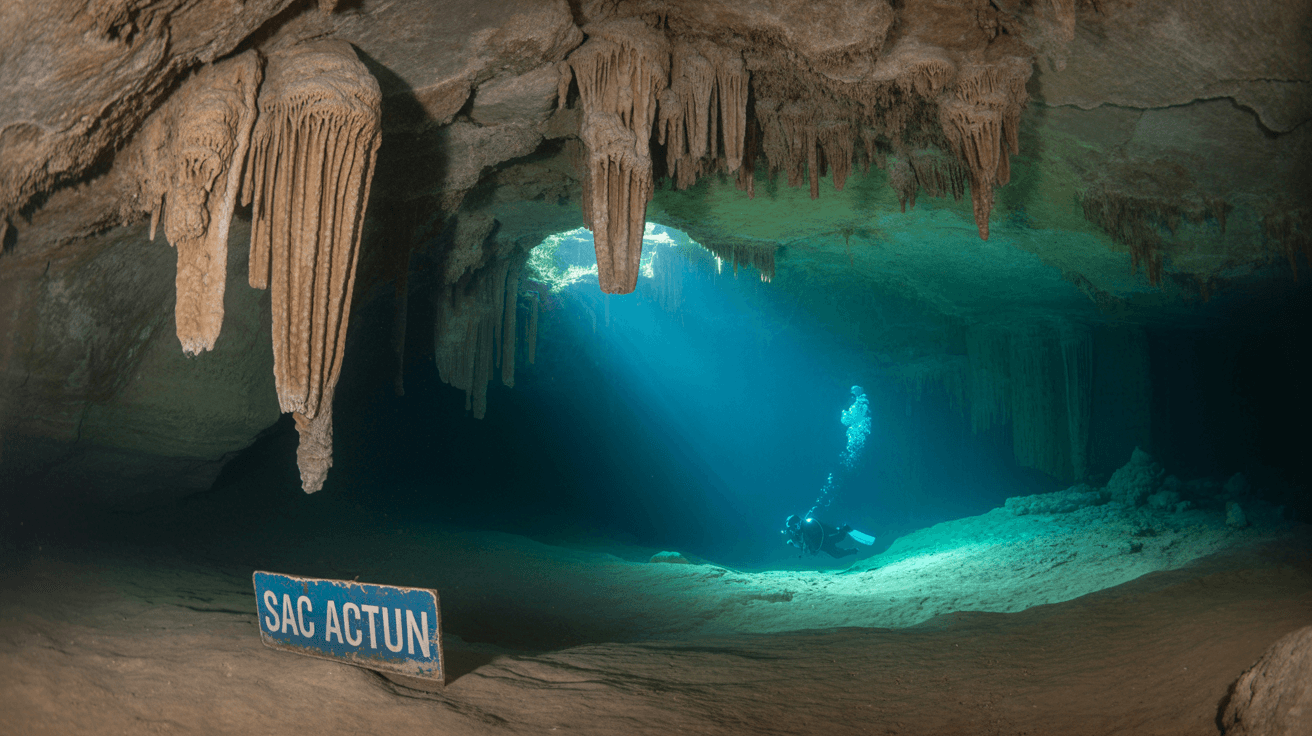
Deep beneath the Yucatán Peninsula’s lush jungle lies Sistema Sac Actun, a labyrinth of crystalline freshwater passages stretching over 370 kilometers. This second-longest cave system on Earth, accessed through more than 220 cenotes, pulses with otherworldly beauty. Sunlight pierces collapsed ceilings, illuminating ghostly stalactites in an eternal underwater ballet.


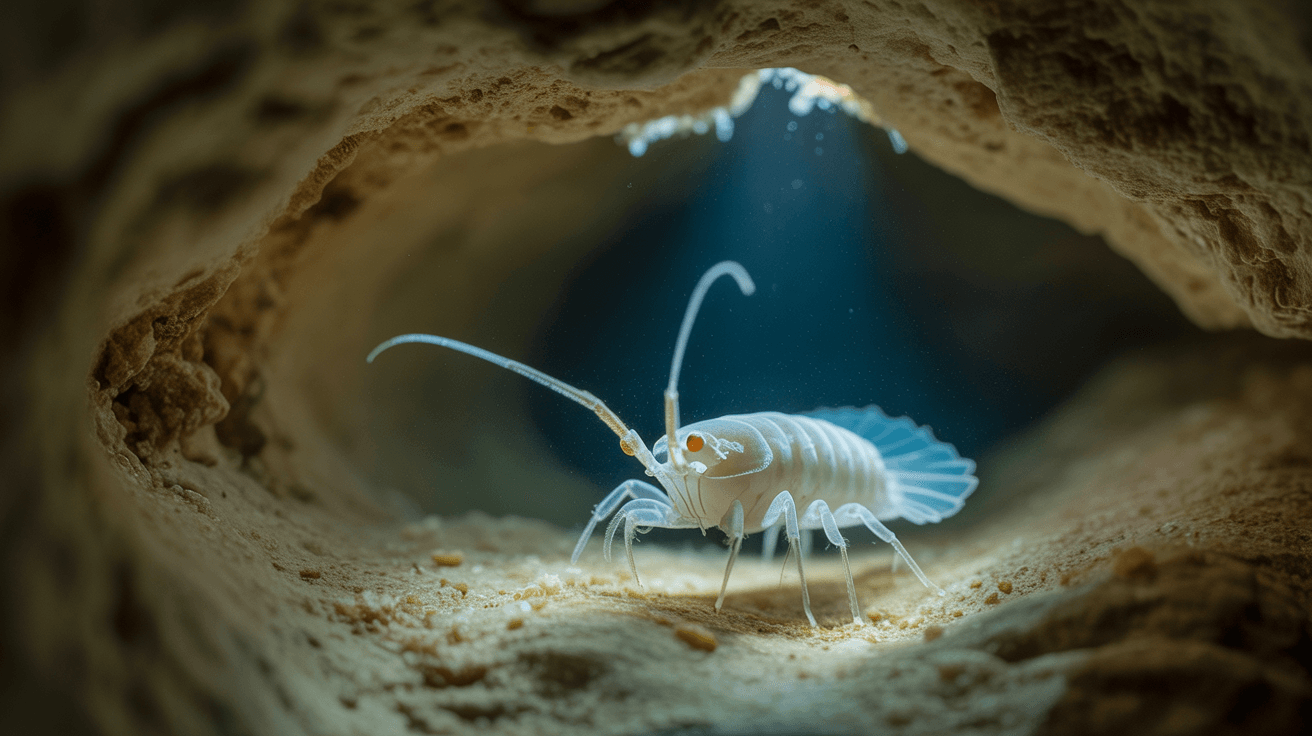
Formed by ancient sea-level shifts and karst dissolution, Sac Actun channels vital freshwater to the Caribbean. Its maze-like conduits, carved by carbonic acid from rainforest decay, harbor troglobitic life—blind fish and translucent crustaceans evolved in perpetual darkness. Yet this sanctuary whispers warnings of fragility.

The Shadow of Progress Creeps In
Rapid tourism in Tulum swells visitor numbers, channeling crowds into cenote portals once reserved for silent exploration. Hotels and resorts multiply, their septic leaks seeping into the porous limestone. Agriculture upstream unleashes fertilizers and pesticides, turning pure aquifers into toxic brews.
Quarries scar the landscape, fracturing the karst aquifer’s delicate balance. Chemical runoff suffocates blind ecosystems, while sediment clouds the caves’ translucent waters. Human divers, once respectful explorers, now disturb silt and fragile formations in pursuit of selfies.
Hidden Risks
Beneath the surface calm, nitrate pollution fosters algal blooms that deplete oxygen, starving endemic species. Pathogens from untreated waste threaten the drinking water of millions reliant on this aquifer. Geological instability from overuse risks cenote collapses, endangering lives above and below.
Guardians of Ancient Secrets Now at Risk
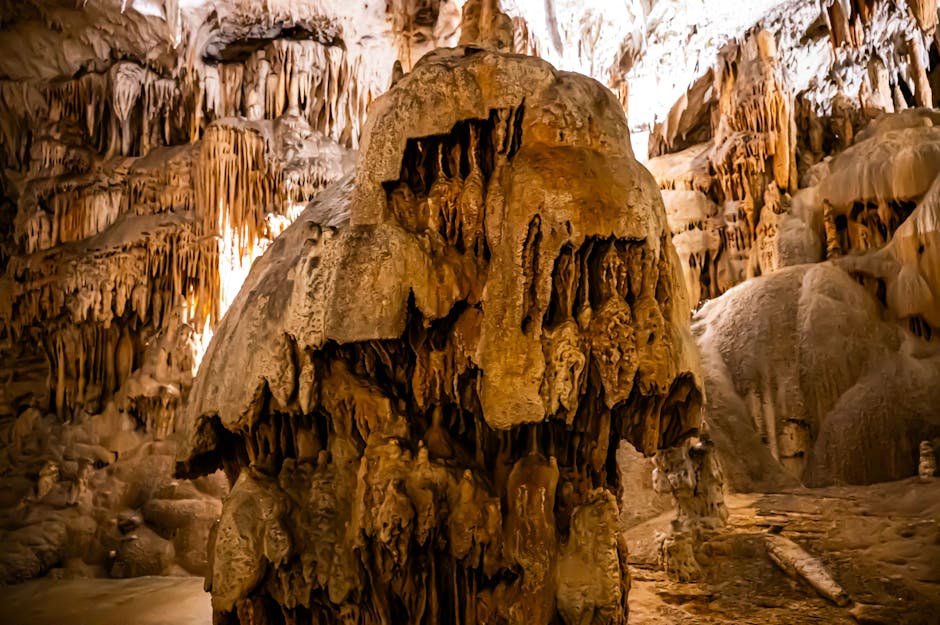
Sac Actun cradles Paleolithic treasures: mastodon bones and human remains like Naia, a 13,000-year-old girl whose skeleton links ancient migrants to modern peoples. These submerged archives, preserved by cool depths, face dissolution from acidic pollutants. Irreplaceable history erodes silently.
Estimated Costs
Restoring polluted sections could demand $500 million over a decade, factoring filtration plants, quarry closures, and eco-tourism rerouting. Annual losses from ecosystem collapse might hit $200 million in water purification and biodiversity services. Tourism revenue, now $1 billion yearly in Quintana Roo, risks halving without intervention.
A Call from the Depths
Local guardians and divers rally for protected zones, urging sustainable tourism caps and agricultural reforms. International eyes turn to this karst jewel, demanding action before the white cave darkens forever. The peninsula’s lifeblood hangs in precarious balance.
shop link: Protect Sac Actun: Eco-Dive Gear Collection
The Takeaway
Sac Actun’s peril mirrors global warnings: human ambition devours nature’s wonders. Sustainable choices today preserve tomorrow’s legacy. Dive responsibly, advocate fiercely—before the white cave fades to shadow.
**Join the Conversation**
Did any of these facts surprise you? We’d love to hear your thoughts—drop a comment below! 💡
Frequently Asked Questions
What is Sistema Sac Actun?
The world’s longest explored underwater cave system, spanning over 370 km beneath the Yucatán Peninsula near Tulum, Mexico.
Why is it environmentally threatened?
Groundwater pollution from tourism development, agricultural runoff, and quarrying introduces chemicals that harm its unique ecosystems and aquifers.
What lives in Sac Actun?
Troglobitic species like blind fish, cave shrimp, and microbes adapted to total darkness and freshwater isolation.
How does pollution affect the cave?
Chemicals cause algal overgrowth, oxygen depletion, and erosion of geological formations and ancient remains.
What can be done to save it?
Implement strict tourism limits, wastewater treatment, and sustainable farming to protect the karst aquifer.
Is Sac Actun safe to visit?
Guided tours are available, but overuse amplifies risks; choose eco-conscious operators to minimize impact.
Thanks for joining this ride. Stay curious, stay tuned, and let’s make our world brighter!
Subscribe to our YouTube channel and stay tuned for more intriguing mysteries and scientific wonders. Together, let’s uncover the secrets of the Earth and expand our understanding of this fascinating world.
If you liked this story, sign up for the weekly OneMinuteExplore features newsletter called “The Essential List”. A handpicked selection of stories from OneMinute Nature, Wildlife, Culture, Travel, Stories, and more… delivered to your inbox every Weekend.
👉 We may earn a commission from purchases made through links in this content, but it won’t affect your price. Rest assured, our recommendations are based on thorough research and genuine belief in the products. Your support through these links helps us continue providing valuable content. Thank you for being so supportive!