




The Earth’s Wrath: When Nature Unleashes 25 Atomic Bombs
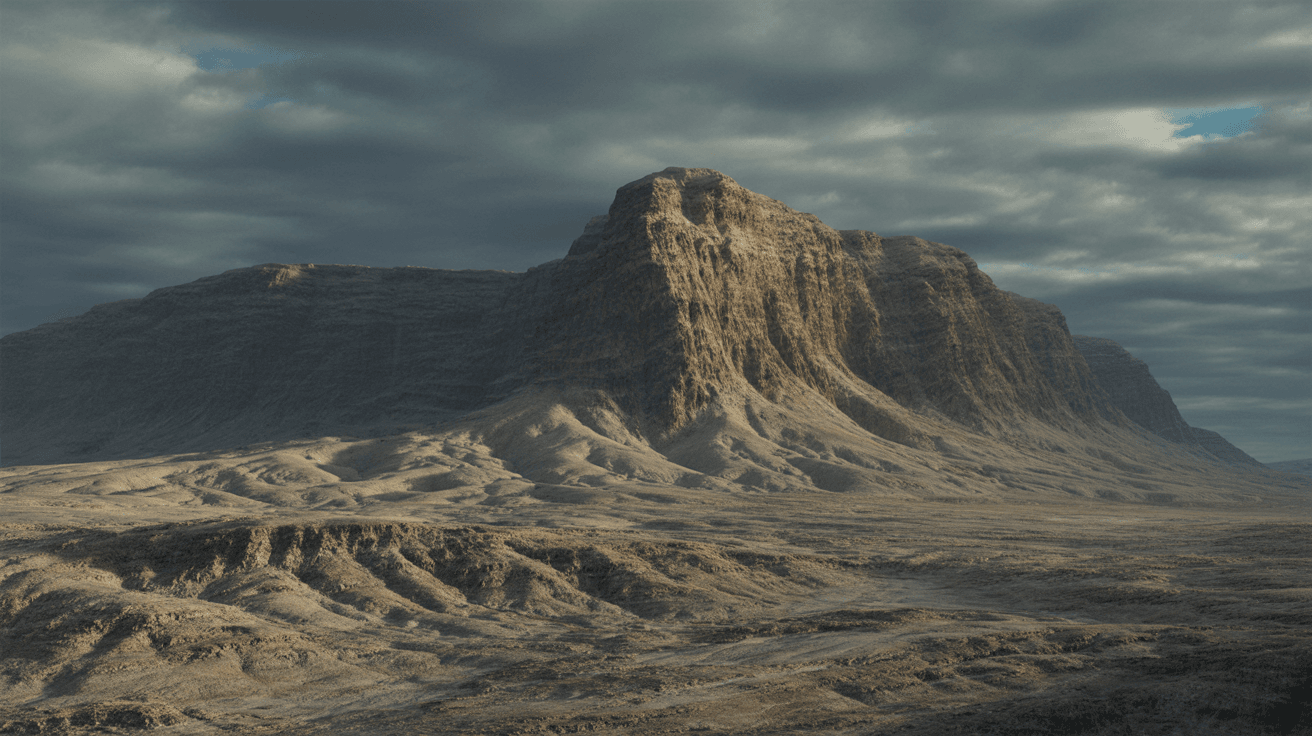
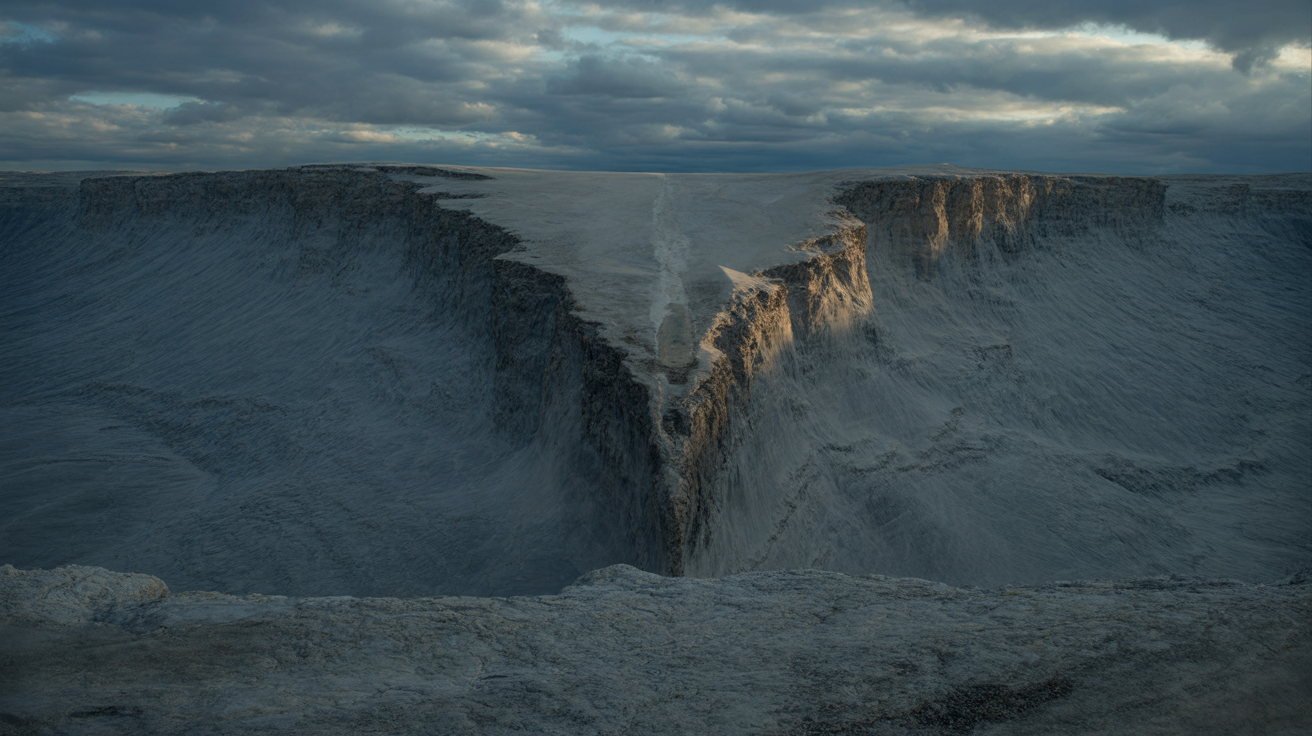
The air shimmers with an unnatural heat, a low rumble building from the very core of the planet. Then, a crescendo – a force so immense, it dwarfs the might of human invention. Imagine a single event, a cataclysmic surge of energy, equivalent to twenty-five atomic bombs detonating simultaneously. This isn’t fiction; it’s the raw, untamed power of our world, and the ultimate challenge to our survival.
Act I: The Immeasurable Scale
🎒 OneMinuteExplore Shop
Curated gear for the modern explorer. Support our field research.
From the deepest ocean trenches to the highest atmospheric currents, natural phenomena frequently unleash energy on scales that defy comprehension. Earthquakes that reshape continents, volcanic eruptions that blot out the sun, hurricanes that carve paths of devastation – these are not mere weather events; they are expressions of a planet alive, constantly shifting, constantly asserting its dominance. But what does it truly mean to face a force wielding the destructive power of 25 atomic bombs? It means confronting the very limits of our engineering, our preparedness, and our understanding of the macro world.

Act II: Humanity’s Gambit
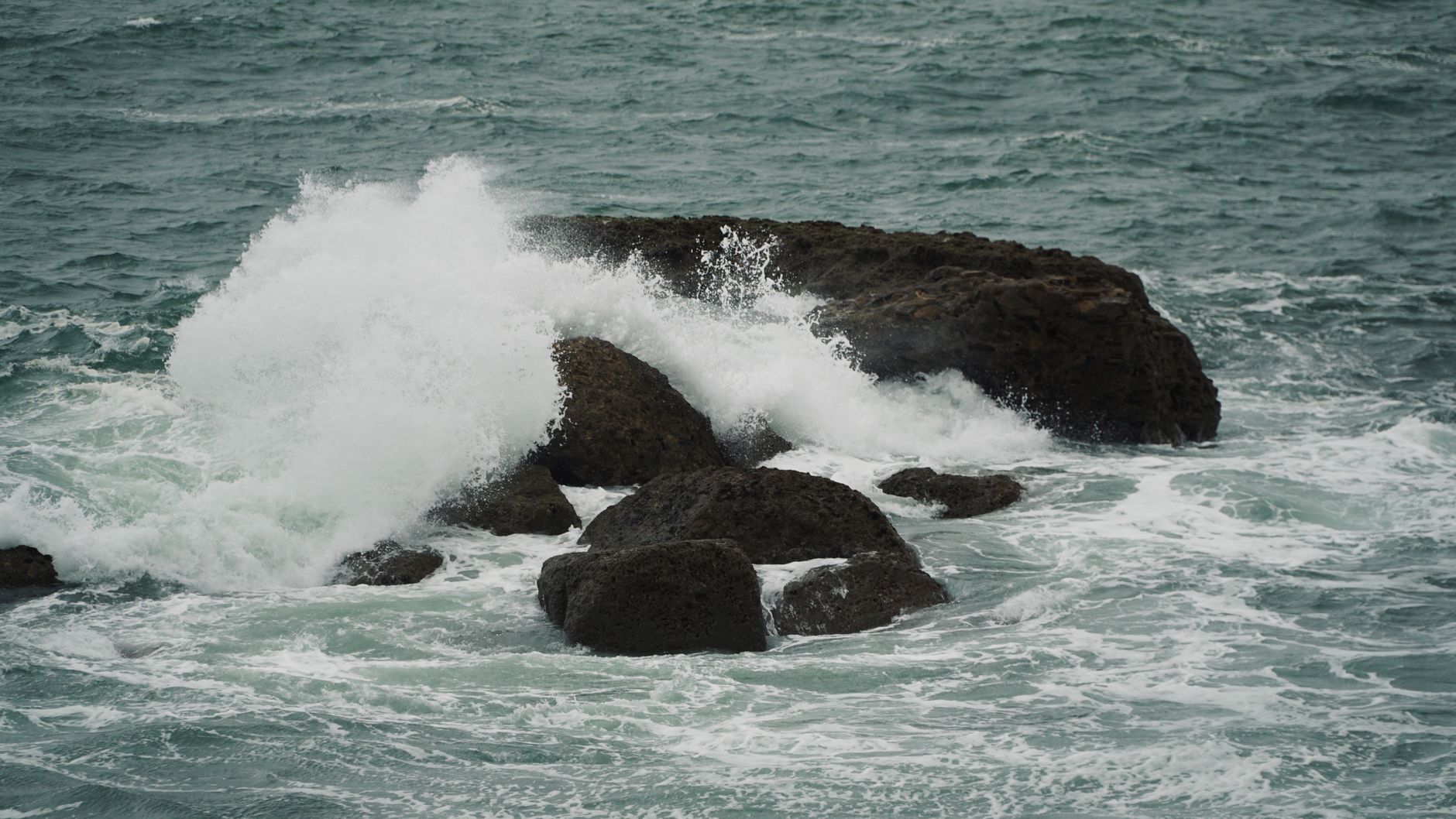
Against such overwhelming odds, humanity’s response is a testament to our ingenuity and resilience. Scientists around the globe dedicate their lives to deciphering these colossal energies, developing early warning systems, constructing resilient infrastructures, and pioneering innovative protection strategies. From tsunami barriers engineered to withstand immense waves, to earthquake-proof buildings designed to sway rather than crumble, our battle against these natural behemoths is a continuous, high-stakes game of anticipation and adaptation. Yet, the question lingers: can we ever truly compete with a force of this magnitude, or can we only hope to mitigate its impact?
Act III: The Future of Resilience
The answer lies not in conquering nature, but in understanding it deeply, in living harmoniously with its unpredictable might. Climate change adds another layer of complexity, potentially amplifying these forces. Our future depends on pushing the boundaries of scientific research, fostering global collaboration, and fundamentally rethinking our relationship with the planet. It’s a race against time, a monumental effort to prepare for the inevitable, for the next moment when nature decides to remind us of its unparalleled power, a power that could, at any moment, rival the blast of twenty-five atomic bombs.
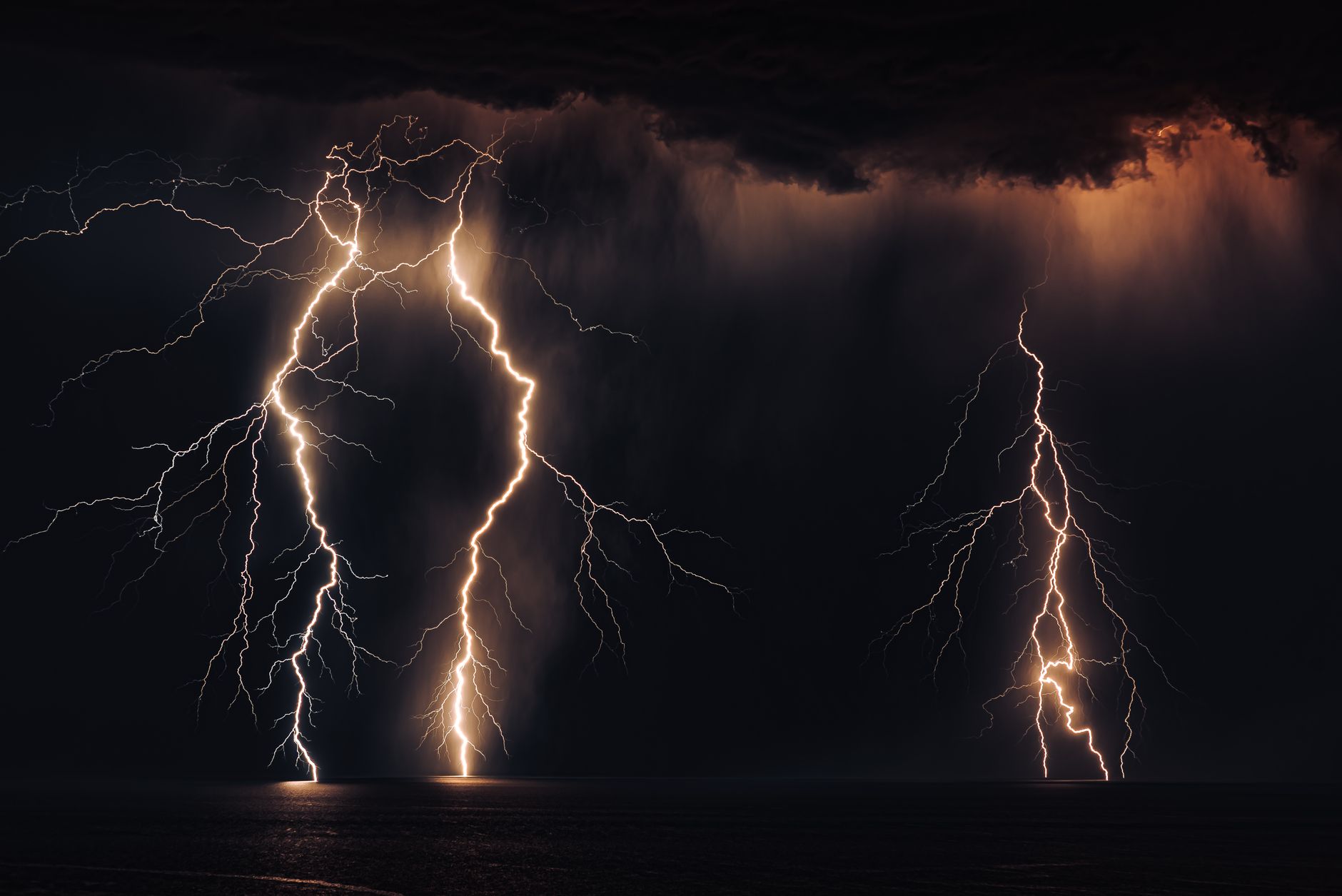
Did any of these facts surprise you? Drop a comment below! 💡
Did any of these facts surprise you? Drop a comment below! 💡
🔍 Common Inquiries
What kind of natural forces can unleash energy equivalent to 25 atomic bombs?
How do scientists measure the energy released by these natural events?
Can humanity ever fully “compete” with such immense natural power?
What are some examples of human engineering designed to withstand these forces?
How does climate change impact the frequency or intensity of these powerful natural events?
What role does international collaboration play in preparing for global natural threats?
#NatureUnleashed #AtomicPower #EarthsWrath #MegaDisasters #ClimateResilience #ScienceExplores #OneMinuteExplore #PlanetEarth #NaturalForces #SurvivalChallenge
Enjoyed this story? Join our community on YouTube.