



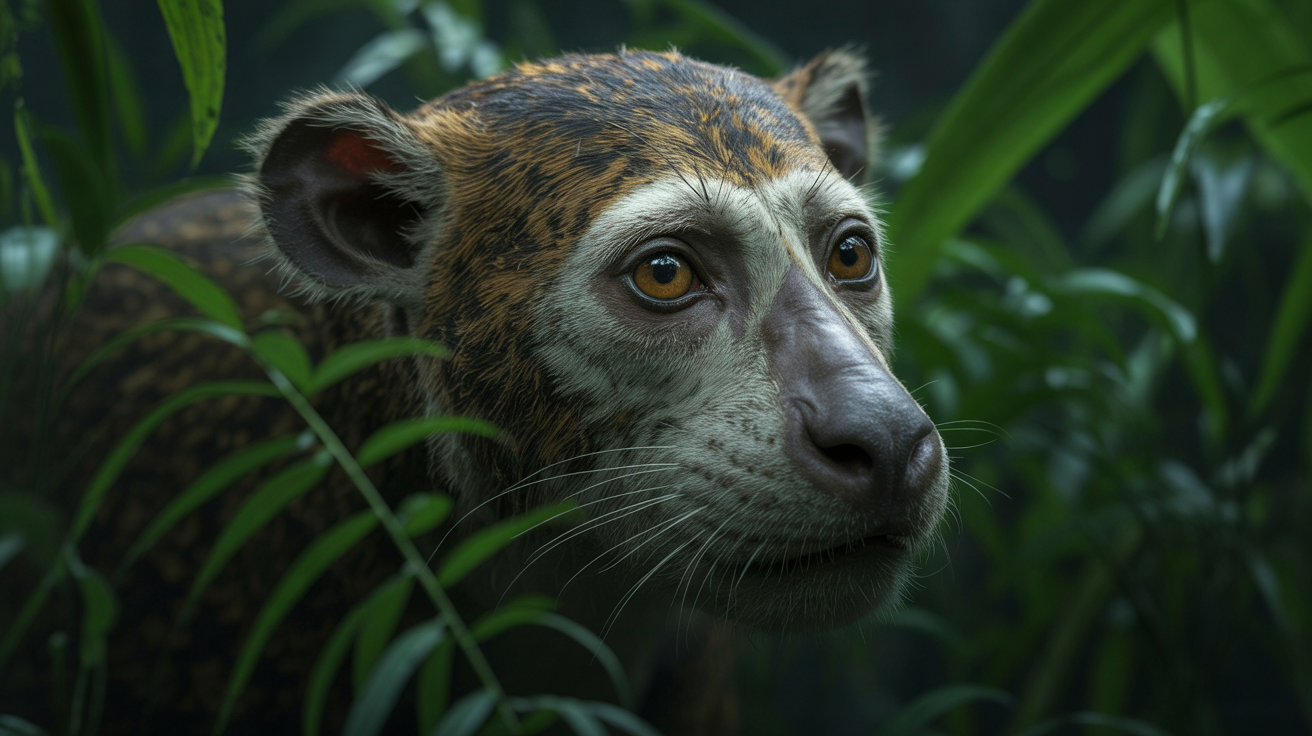

The Amazon’s Last Whispers: Ten Rare Animals in the Rainforest’s Shadow
The river breathes first. Mist curls over blackwater, frogs stitch the night with glassy calls, and somewhere above the canopy a harpy eagle tilts its head toward a sound no human can name. This is the Amazon not as postcard, but as cathedral: ancient, humid, and full of creatures slipping toward silence.
Act I: The Canopy’s Hidden Kingdom
🎒 OneMinuteExplore Shop
Curated gear for the modern explorer. Support our field research.
Where Giants Move in Slow Motion
High in the green vault, life is measured in patience. The harpy eagle waits with talons built for ambush. The red howler monkey answers dawn with a roar that can travel miles. The hyacinth macaw flashes cobalt and gold through shafts of light, while the three-toed sloth hangs like a moss-covered secret. Below, the Amazon river dolphin surfaces in silence, pink as dusk, and the jaguar presses through flooded forest with the confidence of a ghost.
Act II: The Ten Rare Animals
From River to Canopy
- Amazon river dolphin: a pink ghost of the flooded channels, threatened by pollution, fishing gear, and vanishing wetlands.
- Jaguar: the forest’s apex shadow, hunted for conflict and losing the corridors it needs to roam.
- Harpy eagle: the canopy’s great hunter, rare where logging has stripped its nesting towers.
- Giant otter: a river wolf in miniature, vulnerable to mercury, dams, and shrinking fish runs.
- Hyacinth macaw: a violet-blue intelligence, once trapped by the pet trade, still fragile in fragmented forests.
- Red howler monkey: a dawn bell of the canopy, exposed by road-building and forest edges.
- Poison dart frog: jewel-like, tiny, and hyper-sensitive to climate shifts and habitat loss.
- Three-toed sloth: a slow-motion ecosystem, threatened by fire, drought, and illegal wildlife trade.
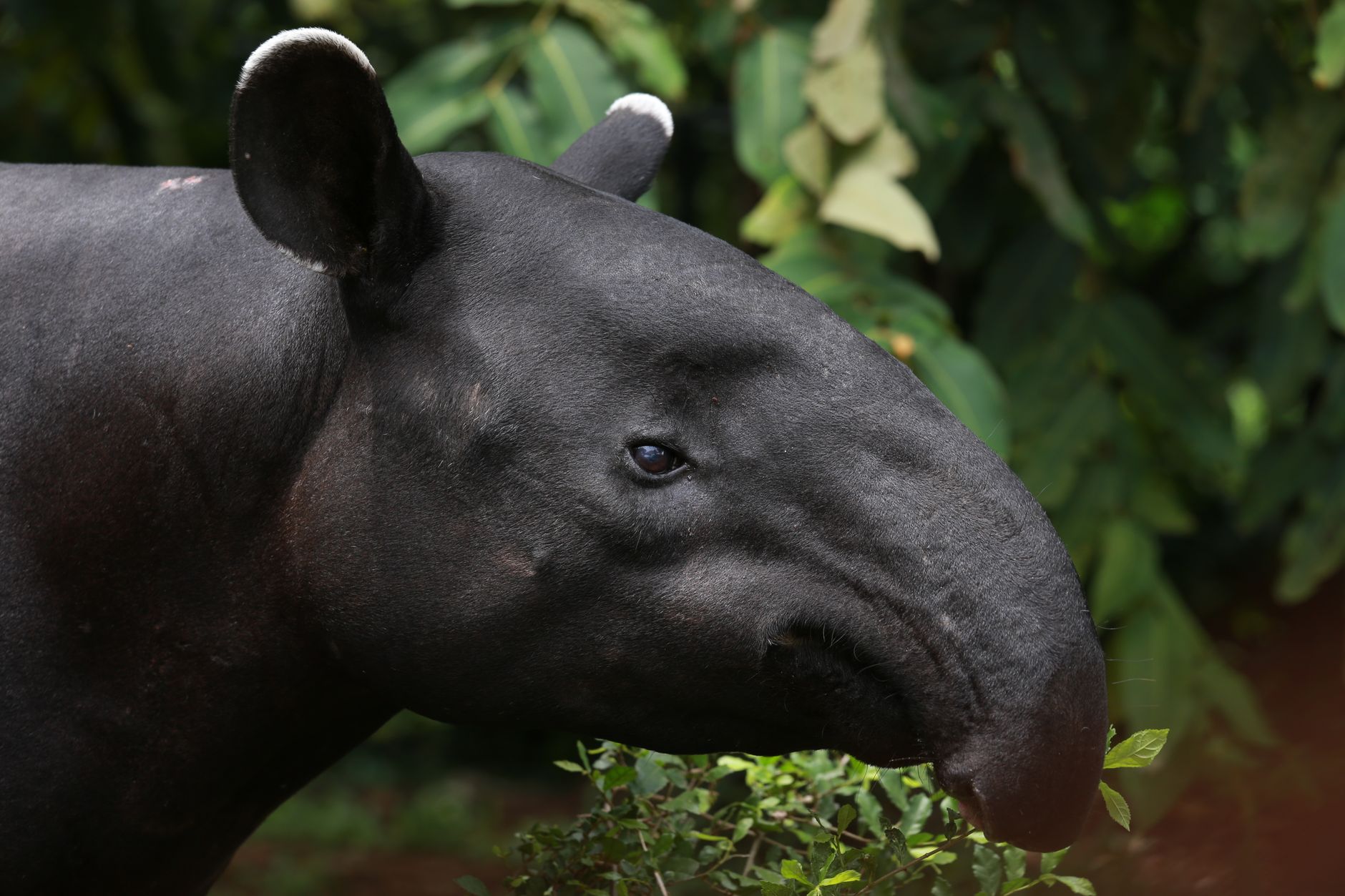
- Brazilian tapir: a forest gardener, rare in degraded regions and hunted for meat and conflict.
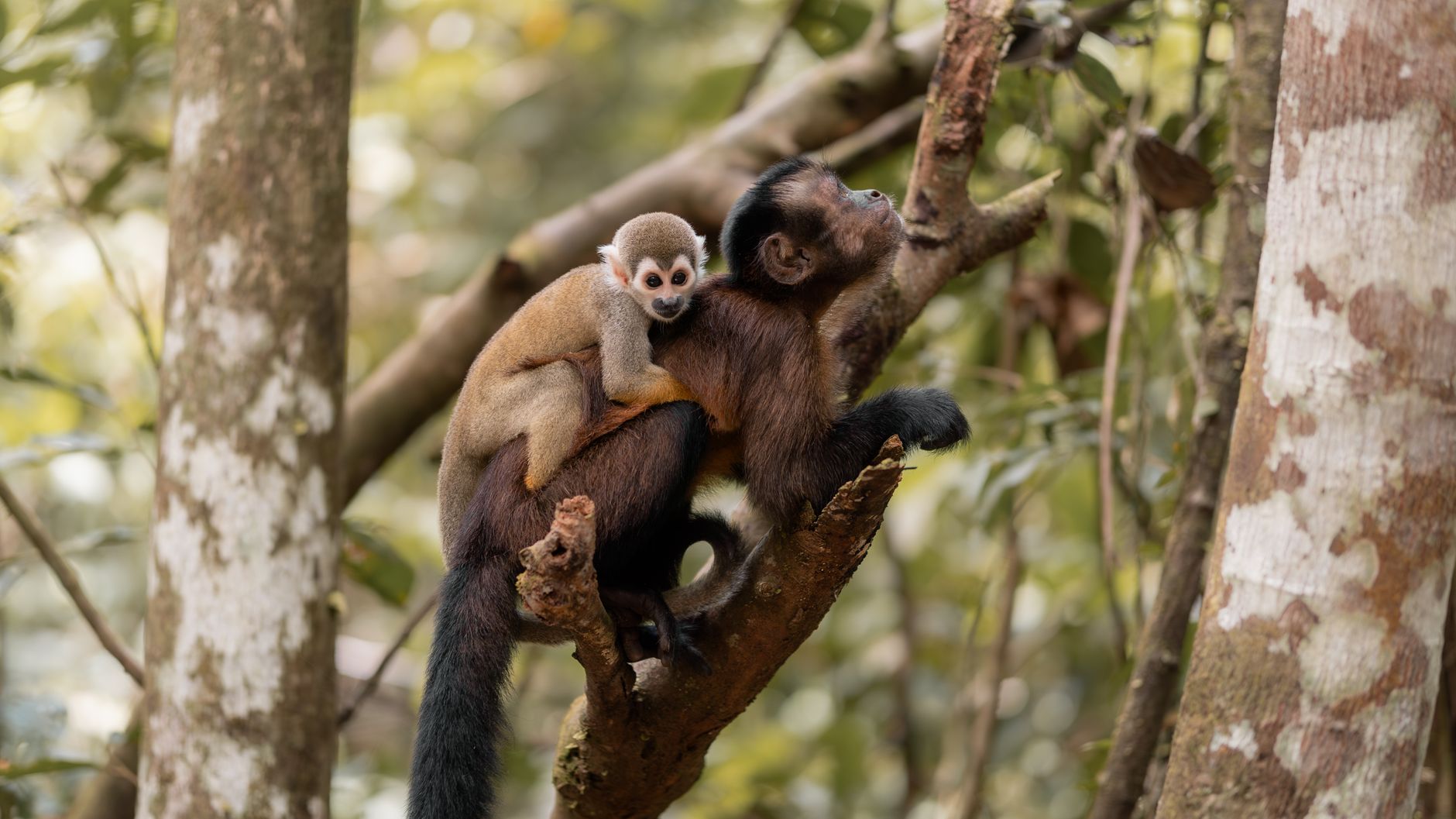
- Spider monkey: an acrobatic seed-disperser, vulnerable to hunting and canopy fragmentation.
Act III: The Silence We Can Still Prevent
Why Rarity Is Not Enough
Rarity is not a trophy; it is a warning. Each animal in this list is a thread in a living web: pollinators, seed carriers, apex predators, and water guardians. When the river turns toxic, when the canopy thins, when the forest is carved into islands, these creatures do not simply disappear. They unravel the world that sustains them, and us.
A Cinematic Call to Action
Support protected corridors, demand deforestation-free supply chains, and amplify Indigenous stewardship. The Amazon’s rare animals are not just subjects for wonder. They are the rainforest’s last witnesses, and the story is still being written.
Did any of these facts surprise you? Drop a comment below! 💡
Did any of these facts surprise you? Drop a comment below! 💡
🔍 Common Inquiries
What are the rare animals found in the Amazon Rainforest?
Why are these animals rare?
Which Amazon animal is the most endangered?
How can tourists help protect rare Amazon wildlife?
Are rare animals only found in remote parts of the Amazon?
What makes the Amazon so important for biodiversity?
#AmazonRainforest #RareAnimals #WildlifeDocumentary #EndangeredSpecies #NaturePhotography #JungleLife #Conservation #Biodiversity #AmazonWildlife #EarthFocus
Enjoyed this story? Join our community on YouTube.