



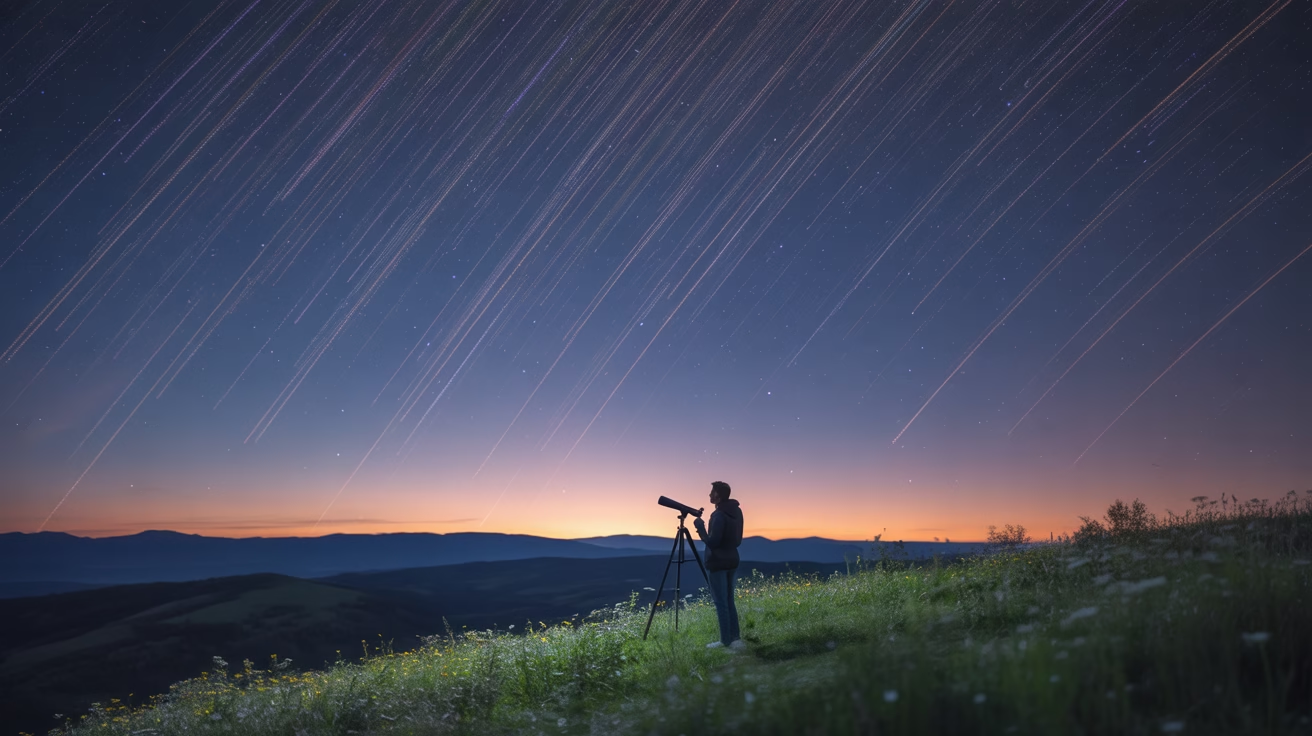

Meteor showers in 2026 promise some of the year’s most stunning celestial displays, with the Geminids peaking at up to 120 multicolored meteors per hour. These cosmic events, born from comet and asteroid debris, turn night skies into fireworks without the noise—a hidden surprise for city dwellers escaping light pollution. Yet, the risk of disappointment looms if moonlight washes out fainter streaks, as seen in past peaks.


From January’s Quadrantids to December’s Geminids, 2026 offers reliable spectacles. Northern Hemisphere viewers hold the advantage for most, but southern spots shine for others. Prepare with dark-sky locations to witness this annual ritual of shooting stars.
Key Meteor Showers to Watch in 2026
Each shower traces to ancient comets or asteroids, scattering dust that ignites on atmospheric entry. Rates vary by peak conditions and location.
January 3-4: Quadrantids
The Quadrantids kick off the year with up to 40-120 meteors per hour from extinct comet 2003 EH1. Radiating from Boötes, fireballs dazzle despite a full moon challenge. Best in early morning hours from northern sites.
April 22-23: Lyrids
Comet C/1861 G1 Thatcher’s dust yields 20 meteors per hour. Known for glowing trails lasting seconds, this shower runs April 16-25. Moon phases favor clearer views mid-month.
May 6-7: Eta Aquarids
Halley’s Comet debris delivers up to 60 per hour in the south, 30 in the north. Evening skies suit early observers before the last-quarter moon rises.
July 28-29 & August 12-13: Delta Aquarids and Perseids
Delta Aquarids offer 20 from comets Marsden and Kracht. Perseids, from Swift-Tuttle, steal the show at 60-150 per hour with fireballs—ideal under new moon on August 13.
October & November Highlights
Orionids (Halley’s legacy, 20 per hour) peak October 21 amid moonlight. Leonids (15 per hour) on November 17-18 enjoy dark post-midnight skies. No storm this cycle, next around 2032.
December Stars: Geminids and Ursids
Geminids reign supreme December 13-14, up to 120 slow, colorful meteors from asteroid 3200 Phaethon. Ursids follow December 21-22 at 5-10 per hour.
Hidden Risks Most Travelers Don’t Expect
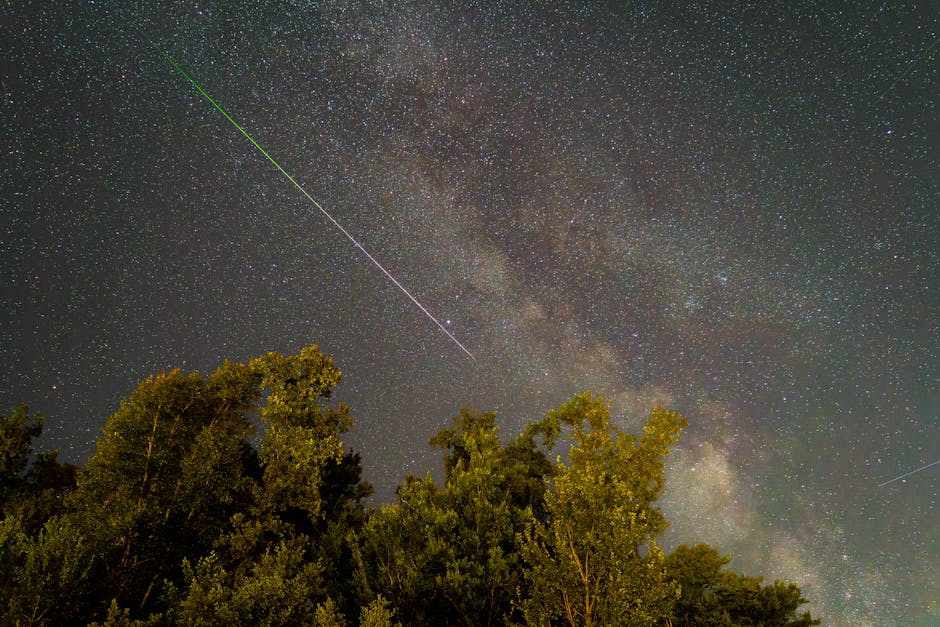
Chasing dark sky destinations means remote areas with poor cell service and sudden weather shifts. Freezing nights during winter peaks like Geminids demand insulated gear—hypothermia strikes unprepared stargazers. Wildlife, from coyotes to insects, adds unpredictability in preserves.
Mistakes Tourists Commonly Make
Many arrive without checking moon phases, missing faint meteors drowned by light. City escapes fail without apps plotting radiants. Overpacking ignores portable needs; learn from our stargazing gear essentials guide.
Safety Factors and Costs to Consider
Travel to prime sites like Great Basin National Park runs $200-500 round-trip from major U.S. hubs, plus $50/night camping. Pack binoculars or a star tracker from our shop for sharper views. Travel insurance covers remote evacuations; locals warn of altitude sickness at high-desert spots.
Plan Your 2026 Sky Watch
Explore more rare phenomena like total solar eclipses in our 2026 eclipse guide. Bundle for cold peaks, arrive early for spots, and let patience reveal the universe’s quiet drama.
Mark these dates. Under unlit skies, 2026’s meteor showers await—your gateway to cosmic wonder.