


Sac Actun: Hidden Perils of the World’s Longest Underwater Cave
Deep beneath the Yucatán Peninsula, Sistema Sac Actun stretches over 368 kilometers, forming the longest underwater cave system on Earth. Crystal-clear freshwater passages wind through porous limestone, connecting over 220 cenotes along Mexico’s Caribbean coast near Tulum. This ancient labyrinth, carved by millennia of acidic rainwater, harbors delicate ecosystems unseen by most.


A Subterranean Realm Under Siege
Tourism surges through popular cenotes like Gran Cenote and Calavera, drawing snorkelers and divers to its mystical chambers. Foot traffic and unregulated access erode delicate formations and stir sediments that cloud the pristine waters. The interconnected caves amplify every disturbance, spreading impacts across the vast network.
<
>
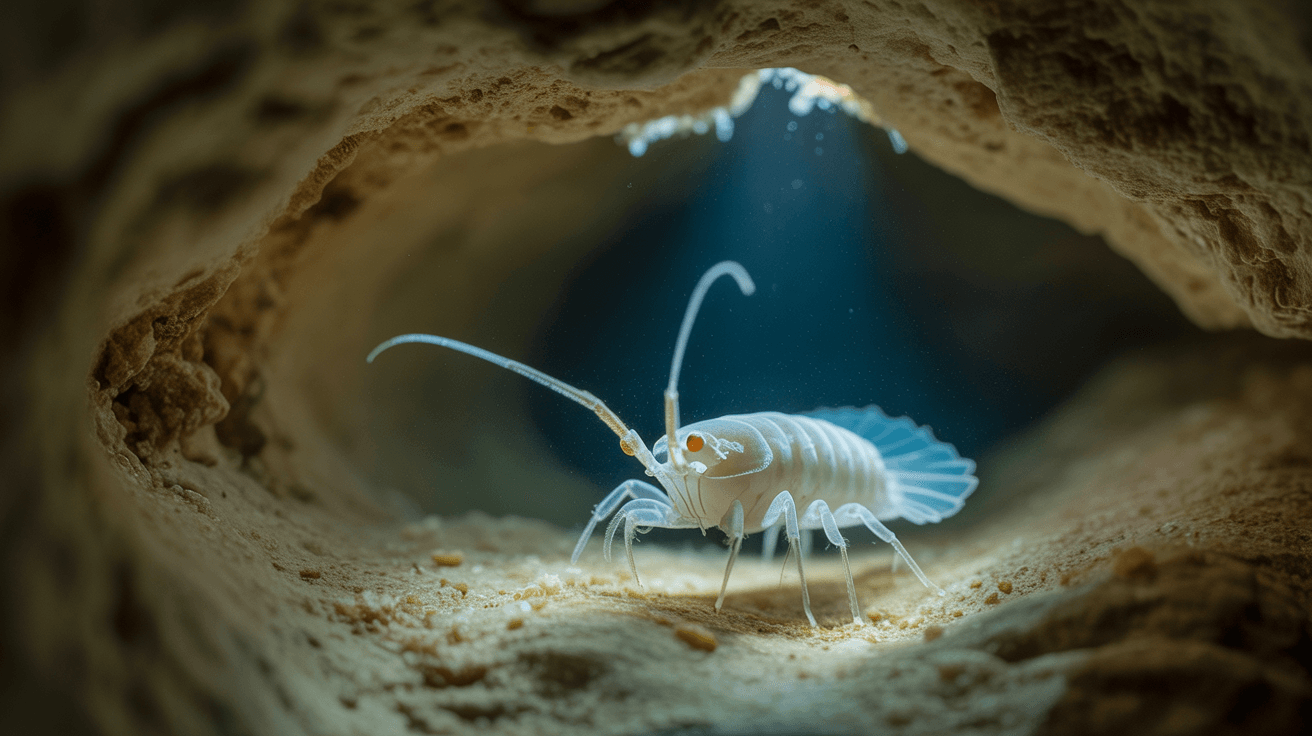
Agricultural runoff from nearby farms seeps into the karst terrain, carrying fertilizers and pesticides directly into the aquifer. These chemicals poison troglobitic species—blind fish, translucent crustaceans, and microbes adapted to eternal darkness. Nitrogen levels spike, fueling algal blooms that suffocate oxygen-dependent life.
Wastewater’s Silent Invasion
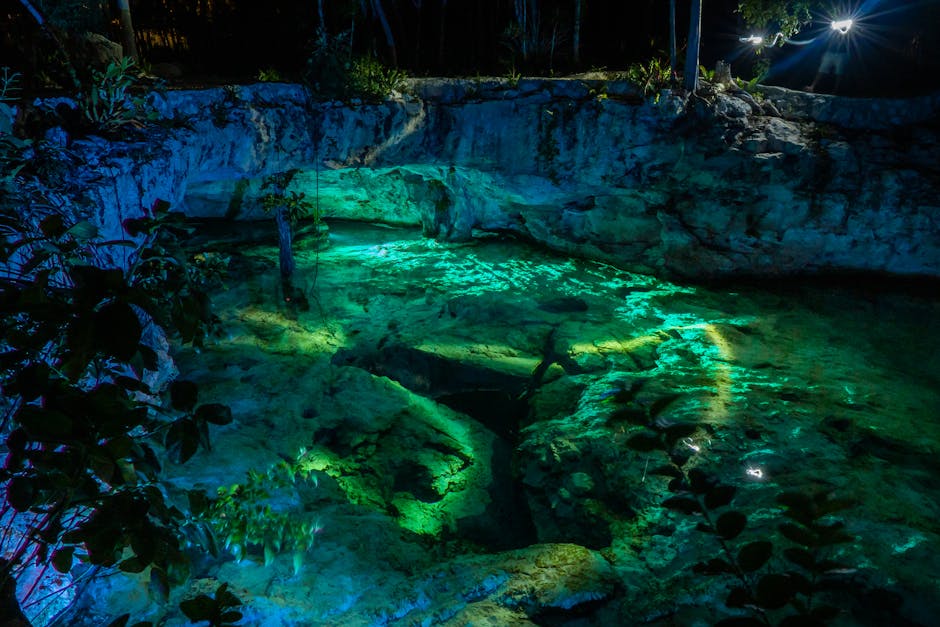
Poorly managed sewage from Riviera Maya resorts infiltrates the system through sinkholes and fractures. Pathogens and heavy metals accumulate in dead-end passages, threatening the freshwater that millions depend on. The halocline mixing zone, vital for unique biodiversity, turns toxic as pollutants cascade inward.
<
>
Hidden Risks
The caves’ fault-controlled tunnels trap contaminants, creating dead zones invisible from the surface. Troglobites, evolved without light or predators, face extinction from subtle pH shifts. Interconnections mean pollution at one cenote endangers the entire system, from inland mazes to coastal outlets.
Estimated Costs
Restoration could exceed $50 million USD, factoring monitoring tech, cenote barriers, and wastewater plants. Annual tourism revenue tops $100 million, yet lacks reinvestment in protection. Without action, biodiversity loss and health crises from tainted water may cost billions long-term.
Fragile Life in Eternal Twilight
Blind cave fish navigate by sonar, while ghostly shrimp scavenge in inky voids. Ancient mastodon bones and human remains whisper of prehistoric secrets now at risk. Sea-level scars on drowned speleothems record climate history, vulnerable to modern disregard.
The Takeaway: Sac Actun’s beauty demands restraint. Sustainable tourism, strict runoff controls, and wastewater upgrades can preserve this wonder. Visit mindfully—or risk losing the underworld forever.
**Join the Conversation**
Did any of these facts surprise you? We’d love to hear your thoughts—drop a comment below! 💡
Frequently Asked Questions
What is Sistema Sac Actun?
The longest underwater cave system on Earth, spanning 368 km under Mexico’s Yucatán Peninsula near Tulum, accessed via over 220 cenotes.
Why is it environmentally vulnerable?
Its interconnected freshwater passages make it highly susceptible to surface pollution, which spreads rapidly through the karst network.
What are the main threats?
Unchecked tourism erodes sites, agricultural runoff introduces chemicals, and wastewater carries pathogens into the delicate aquifer.
How does pollution affect cave life?
Troglobitic species like blind fish and translucent invertebrates suffer from toxins, sediments, and oxygen depletion in their lightless habitat.
Can tourism continue sustainably?
Yes, with regulated access, visitor limits, and education to minimize impacts on this fragile ecosystem.
What actions are needed for protection?
Invest in wastewater infrastructure, farm buffer zones, and monitoring to safeguard Sac Actun’s unique biodiversity and cultural heritage.